How much does archery cost? The archery cost can vary significantly, from a basic bow and arrow set price of under $100 to thousands of dollars for professional-grade archery equipment. The final archery cost depends on several factors, including the type of archery you want to pursue (target, hunting, 3D, etc.), the quality of archery gear you choose, whether you opt for archery lessons, and archery range fees. This detailed guide breaks down all the potential archery costs so you can budget accordingly.
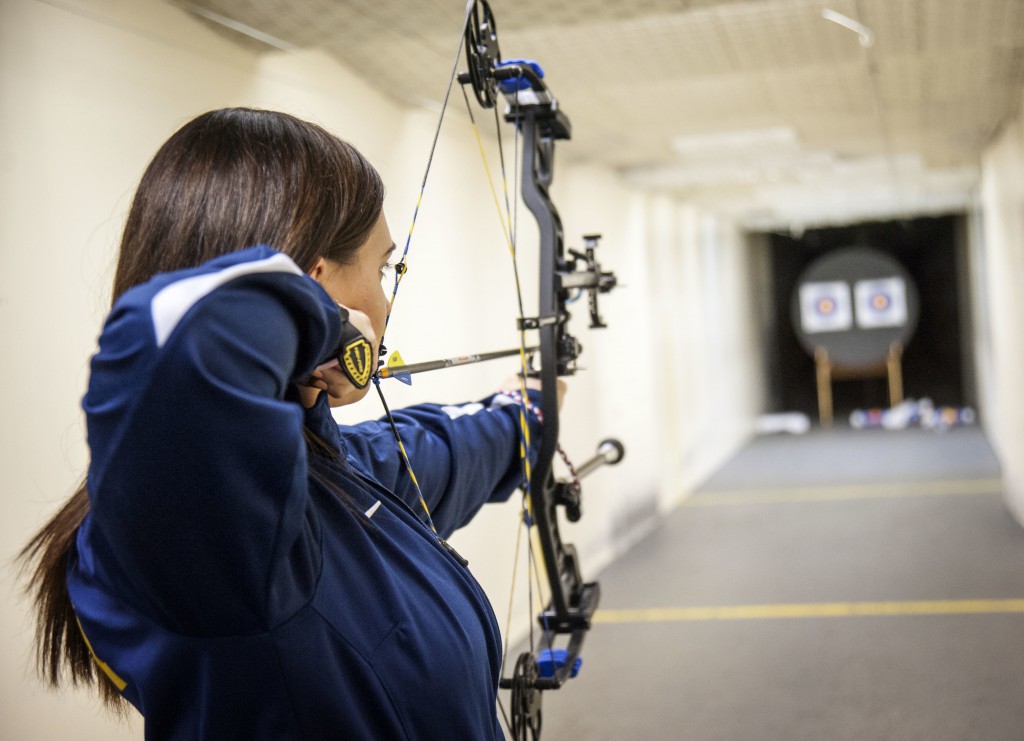
Image Source: archerydude.com
Gauging the Archery Cost: An Overview
Before diving into specific prices, it’s important to grasp the general cost spectrum. Archery can be as affordable or as expensive as you make it. Entry-level recreational archery is vastly different from competitive archery. The price of archery targets also varies considerably. Here’s a quick breakdown:
- Recreational Archery: This is the most budget-friendly option, often involving a basic bow and arrow set and infrequent use.
- Target Archery: This involves shooting at targets for accuracy. Costs increase with higher-quality bows and equipment.
- Bowhunting: This requires specialized hunting bows, arrows, and accessories, making it a more expensive pursuit.
- 3D Archery: Similar to target archery but involves shooting at life-sized animal targets placed in realistic outdoor settings.
Initial Investment: Archery Equipment Price
The largest upfront cost is usually your archery equipment. The bow and arrow set price is a major factor. Let’s break down the essential items:
The Bow
The bow is the heart of your archery setup. The archery equipment price can range depending on the type of bow.
- Recurve Bows: These are the traditional bows you often see in movies. They are simpler in design and good for beginners.
- Entry-Level: $100 – $300.
- Mid-Range: $300 – $600.
- High-End: $600+.
- Compound Bows: These use a system of cams and pulleys to reduce the draw weight at full draw, making them easier to hold steady. They are popular for hunting and target archery.
- Entry-Level: $300 – $600.
- Mid-Range: $600 – $1200.
- High-End: $1200+.
- Longbows: These are the oldest type of bow. They are long and straight and require a lot of skill to use.
- Entry-Level: $150 – $400.
- Mid-Range: $400 – $800.
- High-End: $800+.
Arrows
Arrows are another crucial element. The cost depends on the material (wood, aluminum, carbon) and quality.
- Beginner Arrows (Aluminum or Fiberglass): $5 – $15 per arrow
- Intermediate Arrows (Carbon): $10 – $25 per arrow
- Professional Arrows (High-End Carbon): $25+ per arrow
Pro Tip: Buy at least a half-dozen arrows to start. You’ll lose or damage a few, especially when you’re learning.
Essential Accessories
Beyond the bow and arrows, several accessories are essential for safety and performance. The archery gear cost for accessories can add up quickly.
- Armguard: Protects your forearm from the bowstring. ($10 – $30)
- Finger Tab or Glove: Protects your fingers when drawing the bowstring (for recurve bows). ($10 – $30)
- Release Aid: A mechanical device that helps release the bowstring more consistently (for compound bows). ($50 – $300)
- Bow Sight: Helps with aiming. ($20 – $300+)
- Arrow Rest: Holds the arrow on the bow. ($10 – $100+)
- Quiver: Holds your arrows. ($20 – $100+)
A Table Summarizing Initial Archery Equipment Price
| Item | Beginner Cost | Intermediate Cost | Advanced Cost |
|---|---|---|---|
| Recurve Bow | $100 – $300 | $300 – $600 | $600+ |
| Compound Bow | $300 – $600 | $600 – $1200 | $1200+ |
| Arrows (6) | $30 – $90 | $60 – $150 | $150+ |
| Armguard | $10 – $30 | $10 – $30 | $10 – $30 |
| Finger Tab/Glove | $10 – $30 | $10 – $30 | $10 – $30 |
| Release Aid | N/A | $50 – $300 | $50 – $300 |
| Bow Sight | $20 – $300 | $20 – $300 | $20 – $300 |
| Arrow Rest | $10 – $100 | $10 – $100 | $10 – $100 |
| Quiver | $20 – $100 | $20 – $100 | $20 – $100 |
| Total | $200 – $950 | $480 – $2,560 | $900+ |
This table provides a general estimate. Prices can vary depending on the brand, features, and retailer.
Ongoing Expenses in Archery
The cost to start archery isn’t the only expense. You’ll also encounter recurring costs:
Archery Range Fees
Many archers practice at dedicated archery ranges. Archery range fees vary depending on the location and facilities.
- Hourly Rates: $10 – $30 per hour.
- Daily Rates: $20 – $50 per day.
- Monthly Memberships: $50 – $150 per month.
- Annual Memberships: $300 – $1000 per year.
Archery club membership cost can offset individual range fees if you plan to shoot regularly.
Arrow Replacement
Arrows break, get lost, or become damaged. Budget for arrow replacements regularly.
- Casual Archers: $50 – $100 per year.
- Frequent Archers: $100 – $300+ per year.
Target Replacement
The price of archery targets also needs to be factored in. Targets wear out over time.
- Basic Foam Targets: $30 – $100 (last a few months with regular use)
- High-Density Foam Targets: $100 – $300 (more durable)
- 3D Targets: $100 – $500 (for 3D archery)
Equipment Maintenance
Bows and accessories require regular maintenance to ensure optimal performance and safety.
- Bowstring Replacement: $20 – $50 (every 1-2 years, or more often with heavy use)
- Cable Replacement (Compound Bows): $50 – $100 (every 2-3 years)
- General Tuning and Repairs: $20 – $50 per visit to a pro shop.
Travel Costs
If you participate in tournaments or 3D archery events, factor in travel expenses such as gas, accommodation, and entry fees.
The Value of Archery Lessons
Archery lessons cost money, but they’re a worthwhile investment, especially for beginners.
- Group Lessons: $20 – $50 per hour.
- Private Lessons: $50 – $100+ per hour.
- Beginner Courses (4-6 weeks): $100 – $300.
Archery lessons teach you proper form, safety procedures, and basic archery skills. Good instruction reduces the risk of injury and accelerates your learning process.
Renting Archery Equipment
If you’re unsure about committing to archery, renting is a good option. Archery equipment rental cost is usually reasonable.
- Hourly Rental: $10 – $30 per hour (includes bow, arrows, and basic safety gear).
- Daily Rental: $30 – $75 per day.
Renting allows you to try different types of bows and equipment before making a purchase.
Cost Considerations for Different Archery Disciplines
The archery cost can differ based on the specific discipline you choose:
Target Archery Cost
- Equipment: Focus on accuracy and consistency. A good quality recurve or compound bow with a sight and stabilizer is essential.
- Range Fees: Regular practice is key, so budget for range fees or club membership.
- Tournament Fees: Entry fees for local, regional, or national competitions.
Bowhunting Cost
- Equipment: A hunting bow needs to be powerful and accurate. Consider accessories like a rangefinder, broadheads, and hunting clothing.
- Licenses and Permits: Hunting licenses and permits are required in most areas.
- Travel and Accommodation: Hunting trips can involve significant travel and accommodation costs.
3D Archery Cost
- Equipment: Similar to target archery, but consider a bow that’s suitable for outdoor conditions.
- Entry Fees: 3D archery events often have entry fees.
- Travel: Events can be located in various outdoor settings, so travel costs can vary.
Ways to Save Money on Archery
Here are some tips to reduce the archery cost:
- Buy Used Equipment: Check online marketplaces and archery forums for used bows and accessories in good condition.
- Join an Archery Club: Archery club membership cost often includes access to a range and discounts on equipment.
- Take Advantage of Free Resources: Many archery organizations offer free online resources, videos, and tutorials.
- Shop Around: Compare prices at different retailers and online stores.
- Maintain Your Equipment: Regular maintenance can extend the life of your equipment and prevent costly repairs.
- Start with the Basics: You don’t need the most expensive equipment to start. Begin with a basic setup and upgrade as your skills improve.
Fathoming Hidden Archery Fees
Beyond the obvious costs, be aware of potential hidden fees:
- Shipping Costs: Ordering equipment online can incur significant shipping fees, especially for larger items like bows and targets.
- Sales Tax: Sales tax can add a significant amount to your total purchase.
- Restocking Fees: Some retailers charge restocking fees for returned items.
- Bow Tuning Fees: Getting your bow tuned by a professional can cost $20 – $50 per visit.
- Membership Renewal Fees: Archery club membership cost are recurrent.
Making Archery Affordable
Archery can be an enjoyable and rewarding hobby for people of all ages and skill levels. While the cost can vary, careful planning and budgeting can make archery affordable. By evaluating your needs, researching equipment prices, and taking advantage of cost-saving strategies, you can pursue your passion for archery without breaking the bank. Remember that investing in quality equipment and proper instruction can improve your performance and enhance your overall experience.
Frequently Asked Questions (FAQ)
- What is the minimum age to start archery? There is no strict minimum age, but most experts recommend that children be at least 8 years old before starting archery. The child needs to have sufficient strength and coordination to safely handle a bow.
- Can I practice archery in my backyard? It depends on local laws and regulations. Some areas have restrictions on discharging bows and arrows within city limits. Check with your local authorities before practicing archery in your backyard.
- Who is the best person to learn archery from? A certified archery instructor is the best person to learn from. They can provide proper instruction, ensure safety, and help you develop good form.
- What is the difference between a recurve and a compound bow? A recurve bow is a traditional bow with limbs that curve away from the archer when unstrung. A compound bow uses a system of cams and pulleys to reduce the draw weight at full draw. Compound bows are generally more accurate and easier to hold steady, while recurve bows are simpler and lighter.
- Is archery a good form of exercise? Yes, archery can be a good form of exercise. It improves upper body strength, core stability, and focus. Drawing and holding a bow requires physical exertion, and the repetitive motion can provide a good workout.
- What are the benefits of joining an archery club? Joining an archery club provides access to a range, equipment, and instruction. It also offers opportunities to socialize with other archers and participate in competitions.
- Can I use the same arrows for a recurve bow and a compound bow? No, you should not use the same arrows for both types of bows. Recurve bows and compound bows have different draw weights and arrow speed. Using the wrong arrows can be dangerous and damage your equipment.
- What safety precautions should I take when practicing archery? Always wear an armguard and finger tab or glove to protect your arm and fingers. Ensure that the area behind the target is clear. Never dry-fire a bow (release the string without an arrow). Follow all range rules and instructions.
- What equipment do I need to maintain my bow? You will need bowstring wax, a bow square, and a bowstringer. You may also need specialized tools for tuning your bow.

Hi, I’m Robert Contreras, a passionate archery instructor based in the USA. With years of experience under my belt, I’ve dedicated my life to mastering the art of archery and sharing its intricacies with enthusiasts of all levels. Through my website, 10Bows.com, I invite you to explore a treasure trove of tips, techniques, and personal insights that reflect my journey in the world of archery. Whether you’re picking up a bow for the first time or refining your skills, I’m here to help guide you toward precision, focus, and a deeper appreciation for this timeless sport.