The Olympic archery distance is 70 meters. This article dives deep into everything you need to know about archery target range specifics in the Olympics, including target sizes, range setup, and other vital aspects of this exciting sport.
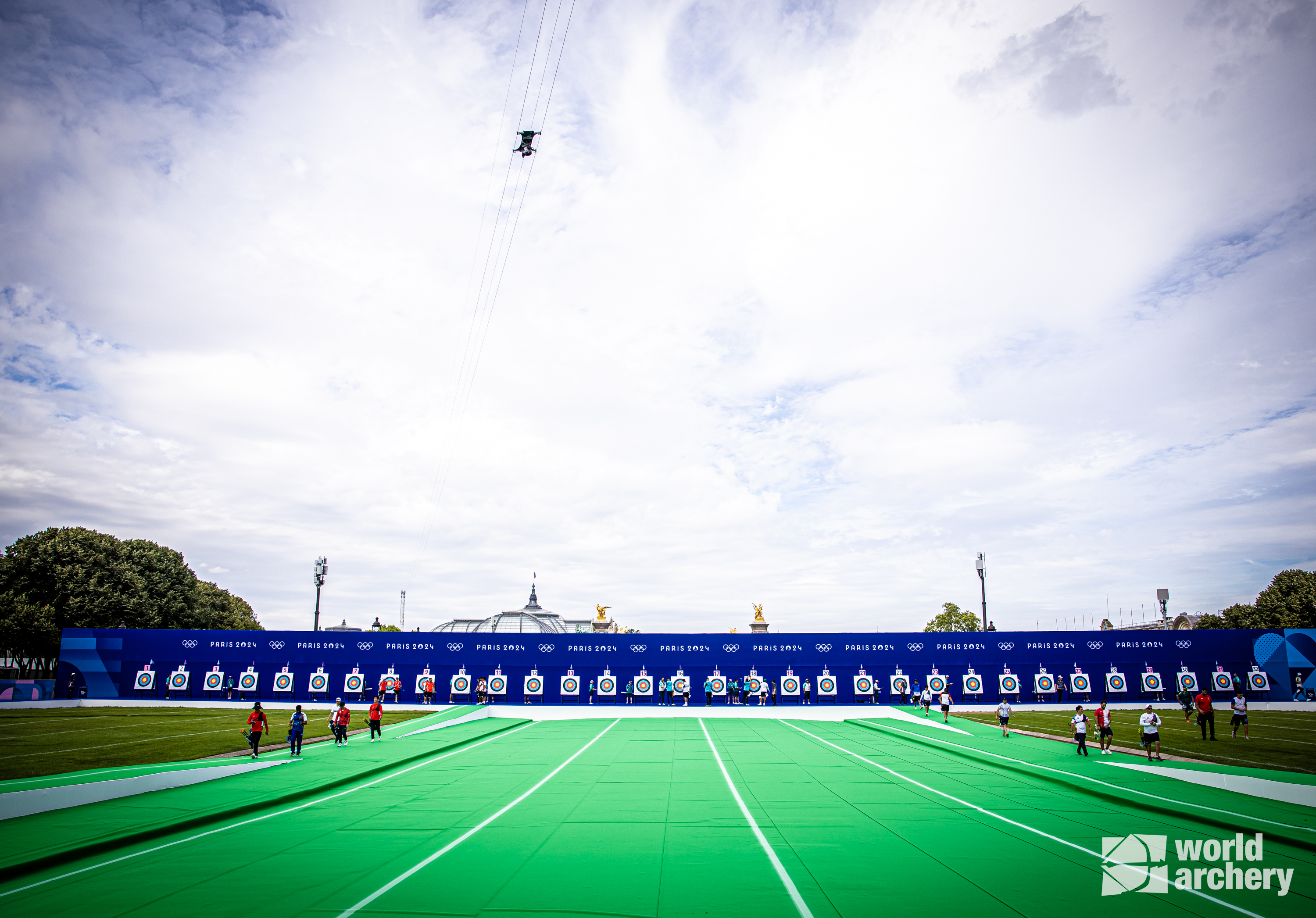
Image Source: startarchery.co.uk
Delving into Olympic Archery Distances
Archery in the Olympics is a test of precision, mental fortitude, and physical skill. One of the most fundamental aspects of archery competition distances is, of course, the distance between the archer and the target.
The Standard Olympic Archery Distance: 70 Meters
The official archery distances for Olympic recurve archery are standardized. All Olympic archers shoot at a target placed 70 meters away. This distance requires significant skill to master due to factors such as wind, gravity, and the archer’s form.
Why 70 Meters? The Significance Behind the Distance
The 70-meter distance wasn’t chosen randomly. It represents a balance between challenging archers and providing a visually engaging spectacle for viewers. This FITA target distance has been used for a long time and has become a staple of the sport. It requires archers to have very good control and technique to consistently hit the target.
The Archery Target: Size and Scoring
The target itself plays a vital role in the competition. Its size and scoring zones affect the archers’ strategy and how points are awarded.
Olympic Archery Target Size Dimensions
The Olympic archery target size is 122 cm in diameter. It’s a large target, but at 70 meters, it still demands incredible accuracy.
Scoring Zones: Rings of Precision
The target is divided into 10 concentric rings. Each ring represents a different score:
- 10 and 9 (Gold): The inner rings are gold.
- 8 and 7 (Red): The next two rings are red.
- 6 and 5 (Blue): These rings are blue.
- 4 and 3 (Black): These rings are black.
- 2 and 1 (White): The outer rings are white.
Hitting the center ring (the 10-ring) is the ultimate goal. An arrow landing outside the white ring scores zero. In the event of a tie, the number of 10s scored is used as a tiebreaker. If the tie still exists, the number of 9s is counted. If the tie still persists after this, then a shoot-off occurs.
The Importance of a Clean Target Face
Maintaining a clean and undamaged target face is vital for fair competition. Damaged faces can unfairly affect how arrows penetrate the target, and therefore, affect scoring.
The Archery Range: Setting the Stage
The archery range setup is strictly regulated to ensure fair competition and safety for archers, officials, and spectators. The dimensions and layout are important.
Archery Field Dimensions: Space for Excellence
While specific archery field dimensions can vary slightly, a standard Olympic archery field must accommodate:
- A shooting line for the archers.
- A target line where the targets are placed.
- A safety zone behind the targets.
- Space for officials and equipment.
- Spectator areas.
Safety First: Designing a Secure Range
Safety is the most important part of range setup. Barriers and clear signage are used to prevent accidental entry into the shooting area.
The Shooting Line: Where Archers Take Aim
The shooting line is a clearly marked line from which archers shoot. All archers must stand behind this line when shooting.
Target Placement: Ensuring Consistency
Targets are positioned at the correct distance (70 meters) and at a specific height from the ground. This ensures that all archers shoot under the same conditions.
Factors Affecting Accuracy at 70 Meters
Shooting accurately at 70 meters is complex, and multiple factors influence the archer’s success.
Wind: A Constant Challenge
Wind is one of the biggest challenges. Even a slight breeze can push an arrow off course. Archers must learn to read the wind and adjust their aim.
Gravity: The Arrow’s Trajectory
Gravity affects the arrow’s flight path. Archers compensate for this by aiming slightly higher than the target.
Archer’s Form: The Key to Consistency
The archer’s form, including stance, draw, and release, is crucial for accuracy. Consistent form helps to reduce errors and improve scores.
Equipment: Precision Tools
The archer’s equipment, including the bow, arrows, sight, and stabilizer, must be properly tuned and adjusted. High-quality equipment can improve accuracy.
Mental Focus: The Inner Game
Mental focus is vital. Archers must be able to block out distractions and maintain concentration. Techniques like visualization and breathing exercises can help.
Different Archery Disciplines and Distances
While the Olympics feature recurve archery at 70 meters, other archery disciplines exist with different distances.
Compound Archery
Compound archery uses bows with cams and pulleys. These bows are more accurate than recurve bows. The World Archery target distance for compound archery is typically 50 meters in major competitions.
Field Archery
Field archery involves shooting at targets of different sizes and distances in outdoor settings. Distances vary depending on the specific course.
3D Archery
3D archery involves shooting at life-sized animal targets in a natural outdoor setting. Distances vary, and judging distance is a key skill.
Traditional Archery
Traditional archery involves using bows without sights or other modern aids. Distances vary depending on the type of competition.
Training for Olympic Archery Distances
Training for Olympic archery requires a dedicated approach. It includes physical conditioning, technical training, and mental preparation.
Physical Conditioning: Building Strength and Stamina
Archers need to be physically fit to handle the demands of shooting many arrows. Strength training, cardio, and flexibility exercises are all important.
Technical Training: Perfecting Form
Technical training involves working with a coach to develop and refine the archer’s form. This includes stance, draw, release, and follow-through.
Mental Training: Sharpening Focus
Mental training helps archers develop the mental skills needed to perform under pressure. This includes visualization, goal setting, and stress management.
Practice: Repetition and Refinement
Consistent practice is essential for mastering the 70-meter distance. Archers spend countless hours shooting arrows and refining their technique.
Simulation: Preparing for Competition
Simulating competition conditions in practice can help archers prepare for the pressure of the Olympic Games.
Archery Target Range Setup in Detail
Let’s examine the setup in detail, providing a step-by-step guide.
Site Selection
The location of the archery range is key. It needs to be level, have good visibility, and be free from obstructions. Safety is a priority.
Ground Preparation
The ground needs to be prepared to ensure a stable shooting surface. This may involve leveling the ground, removing debris, and adding a layer of gravel or sand.
Target Stands
Target stands need to be sturdy and capable of holding the targets securely. They should be adjustable to allow for different target heights.
Target Faces
Target faces need to be in good condition and replaced when they become damaged. They should be properly aligned and centered on the target stands.
Distance Markers
Distance markers need to be placed at the correct distances to help archers gauge their shots. These markers should be clearly visible and accurately measured.
Safety Barriers
Safety barriers need to be placed around the range to protect spectators and prevent accidental entry into the shooting area.
Signage
Signage should be posted to indicate the location of the range, safety rules, and other important information.
Deciphering Scoring System Peculiarities
The scoring system in Olympic archery isn’t as straightforward as one might think. Here’s a closer look at some of its nuances:
Arrow Placement Disputes
Occasionally, it may be difficult to determine which ring an arrow has landed in. This requires careful judgment by the officials.
Electronic Scoring Systems
Some archery competitions use electronic scoring systems. These systems use sensors to detect where the arrow has landed and automatically calculate the score.
Tie-Breaking Procedures
When archery rivals find themselves locked in a score-to-score deadlock, a decisive secondary process kicks in. This often means meticulously tallying those perfect 10s and near-perfect 9s, or, in more dramatic turnarounds, a sudden-death shoot-off decides the victor.
Frequently Asked Questions (FAQ)
- What is the distance in Olympic archery? The distance is 70 meters.
- Can I use any type of bow in Olympic archery? No, only recurve bows are allowed in the Olympic Games. Compound bows are used in other competitions.
- Who is in charge of setting the archery distances? World Archery (WA), formerly known as FITA (Fédération Internationale de Tir à l’Arc), governs the sport and sets the rules, including the distances.
- What is the size of the Olympic archery target? The target is 122 cm in diameter.
- How do wind conditions affect archery at 70 meters? Wind can significantly affect the arrow’s trajectory, requiring archers to adjust their aim.
- Is the target height adjustable? Yes, the target height can be adjusted to suit the archer’s preference.
- What happens if an arrow hits the line between two scoring zones? The higher score is awarded.
- What are the common mistakes made by archers at 70 meters? Common mistakes include inconsistent form, poor wind reading, and lack of mental focus.
- How does the scoring system encourage precision? The scoring system rewards archers for hitting the center of the target, encouraging them to aim for the smallest possible target area.
- What is the best way to improve accuracy at 70 meters? The best way to improve accuracy is to practice regularly, work with a coach, and focus on technique and mental preparation.
- How do Paralympic archery distances differ from Olympic distances? Paralympic archery includes various categories based on disability, with distances ranging from 30 to 70 meters.
- Why is the 70-meter distance preferred in recurve archery? The distance provides a challenging but achievable test of skill, balance, and focus.
- What measures are taken to ensure fair play in archery competitions? Strict rules, equipment checks, and qualified judges are used to ensure fair play.
- Are there any variations in target size based on the distance? Generally, target sizes are consistent at major events like the Olympics. However, different disciplines might use different sizes.
- What role does equipment play in achieving accuracy at the Olympic archery distance? Proper equipment, correctly tuned, can significantly improve an archer’s consistency and performance.
- How can spectators better appreciate the challenges of archery at 70 meters? By understanding the impact of factors like wind and the archer’s form, spectators can appreciate the difficulty involved.

Hi, I’m Robert Contreras, a passionate archery instructor based in the USA. With years of experience under my belt, I’ve dedicated my life to mastering the art of archery and sharing its intricacies with enthusiasts of all levels. Through my website, 10Bows.com, I invite you to explore a treasure trove of tips, techniques, and personal insights that reflect my journey in the world of archery. Whether you’re picking up a bow for the first time or refining your skills, I’m here to help guide you toward precision, focus, and a deeper appreciation for this timeless sport.