How can I learn archery? You can learn archery by taking archery lessons for beginners, finding archery training near you, exploring online resources, and focusing on basic archery skills while following archery safety tips. This guide provides all the information you need to get started in the exciting world of archery.
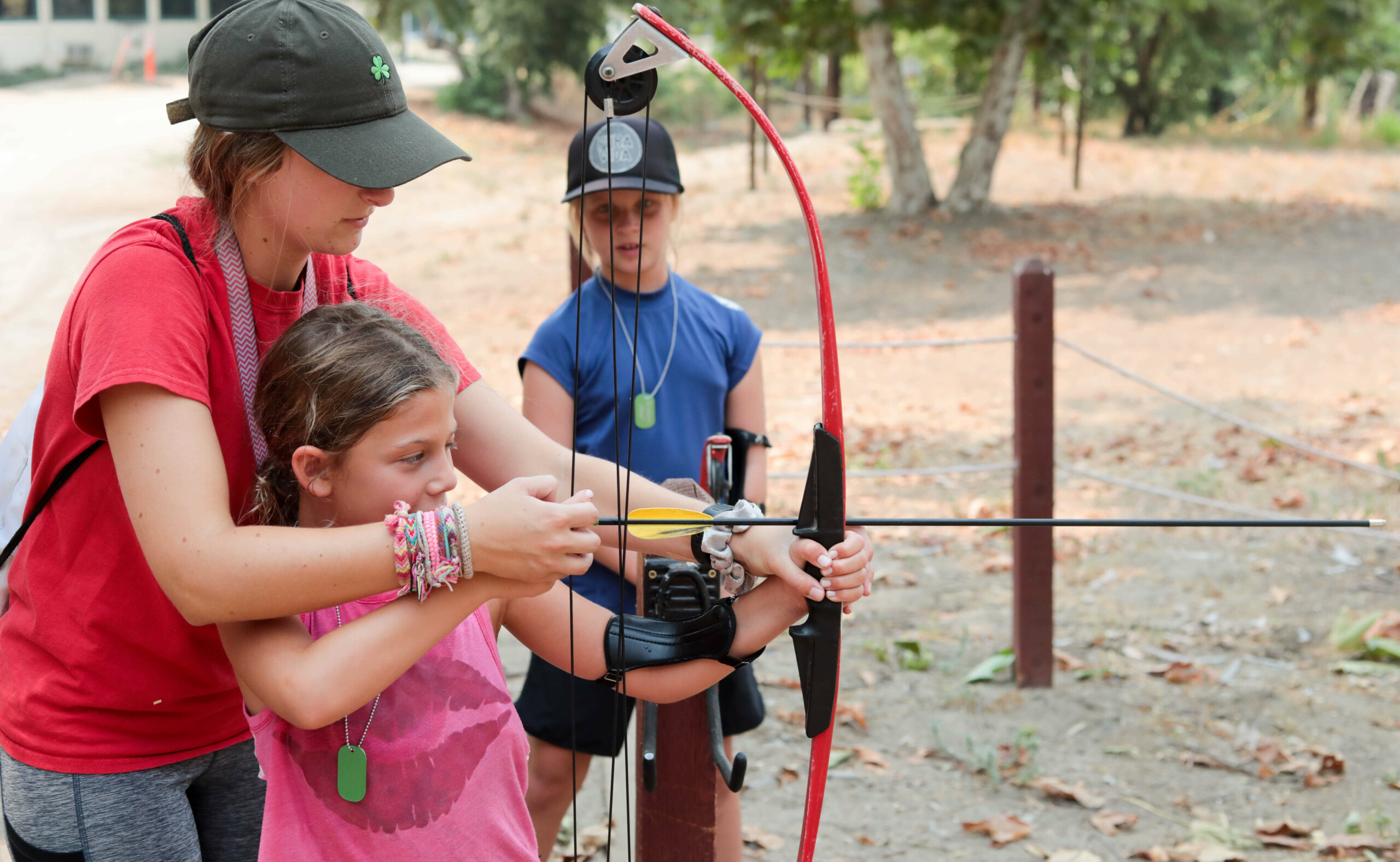
Image Source: wondervalleyoe.com
Embarking on Your Archery Journey
Archery, the art of propelling arrows with the aid of a bow, offers a blend of physical and mental discipline. Whether you’re drawn to its historical significance, its presence in popular culture, or simply seeking a new hobby, getting started can seem daunting. This guide breaks down the process into manageable steps, covering everything from essential equipment to advanced techniques.
Selecting Your Path: Types of Archery
Before diving into the how-to, it’s important to know about the various types of archery. Your choice can influence the equipment you need and the skills you develop.
- Target Archery: This is the most common type, focusing on accuracy when shooting at stationary targets at set distances.
- Field Archery: This involves shooting at targets of varying sizes and distances, often in outdoor settings with uneven terrain.
- 3D Archery: Archers shoot at life-sized animal targets placed in realistic outdoor environments.
- Traditional Archery: Archers use traditional bows like longbows or recurve bows without sights or stabilizers.
- Bowhunting: This involves hunting animals with a bow and arrow. Requires specific licenses and permits.
First Steps: Archery Lessons for Beginners
The safest and most effective way to begin is by taking archery lessons for beginners. A qualified instructor will teach you the fundamentals of archery form and stance, ensuring you develop good habits from the start.
Benefits of Lessons
- Proper Technique: Learn the correct archery techniques to prevent injuries and improve accuracy.
- Safety Protocols: Understand and practice essential archery safety tips.
- Equipment Guidance: Get advice on selecting the right archery equipment for beginners.
- Personalized Feedback: Receive individualized coaching to address your specific needs and challenges.
- Motivation and Support: Learn alongside other beginners and receive encouragement from your instructor.
Finding Archery Training Near Me
Searching for “archery training near me” online is a great way to find local archery clubs, ranges, and instructors. Consider these factors when choosing a training program:
- Instructor Credentials: Look for certified instructors with experience teaching beginners. Archery certification from organizations like USA Archery or the National Field Archery Association (NFAA) indicates a certain level of expertise.
- Class Size: Smaller class sizes allow for more individual attention.
- Facilities and Equipment: Ensure the facility is well-maintained and provides the necessary equipment for learning.
- Curriculum: Check if the curriculum covers basic archery skills, safety procedures, and equipment maintenance.
- Reviews and Recommendations: Read online reviews and ask for recommendations from other archers.
Exploring Alternatives: Learn Archery Online
While in-person instruction is ideal, you can supplement your learning or get a basic introduction to the sport by taking archery lessons online.
Advantages of Online Resources
- Convenience: Learn at your own pace and on your own schedule.
- Accessibility: Access instruction from anywhere with an internet connection.
- Cost-Effectiveness: Online courses are often more affordable than in-person lessons.
Choosing Online Resources
- Reputable Instructors: Look for courses taught by certified archery instructors.
- Comprehensive Content: Ensure the course covers basic archery skills, safety, and equipment.
- Visual Aids: Videos and diagrams can help you visualize proper archery form and stance.
- Interactive Elements: Look for courses that offer opportunities to ask questions and receive feedback.
Caution: Online resources can’t replace hands-on instruction. Always practice archery safety tips, and seek guidance from a qualified instructor before using a bow and arrow on your own.
Mastering the Basics: Archery Techniques and Skills
Regardless of how you choose to learn, mastering the basic archery skills is essential for accuracy and safety.
Archery Form and Stance
Your archery form and stance are the foundations of accurate shooting.
- Stance: Stand perpendicular to the target with your feet shoulder-width apart.
- Nocking: Secure the arrow onto the bowstring at the nock point.
- Grip: Hold the bow loosely with your non-dominant hand, avoiding a tight grip.
- Draw: Pull the string back towards your face using your back muscles, keeping your elbow aligned with the arrow.
- Anchor: Bring the string to a consistent anchor point on your face.
- Aim: Align your sight (if using one) with the target, or use instinctive aiming.
- Release: Release the string smoothly, allowing your fingers to roll off the string.
- Follow-Through: Maintain your form and focus on the target after the release.
Consistent practice is the key to developing a solid archery form.
Essential Archery Safety Tips
Archery is a safe sport when practiced responsibly. Here are some crucial archery safety tips:
- Always point the arrow in a safe direction. Never point it at anything you don’t intend to shoot.
- Ensure the area downrange is clear before shooting.
- Never dry-fire a bow (releasing the string without an arrow), as this can damage the bow.
- Inspect your equipment before each use for signs of damage.
- Use appropriate targets designed for archery.
- Wear appropriate safety gear, such as an armguard and finger tab or glove.
- Follow all range rules and instructions.
- Know your limits. If you’re tired or distracted, take a break.
- Be aware of your surroundings and other people nearby.
- Never shoot straight up into the air.
Gearing Up: Archery Equipment for Beginners
Choosing the right archery equipment for beginners can seem overwhelming. Here’s a breakdown of the essential items:
| Equipment | Description | Considerations |
|---|---|---|
| Bow | The primary tool for propelling the arrow. | Recurve bows are common for beginners; draw weight should be appropriate for your strength. |
| Arrows | Projectiles shot from the bow. | Match arrow length and spine (stiffness) to your bow and draw length. |
| Target | A safe and appropriate target for practicing. | Choose a target designed for archery, such as a foam block or layered target. |
| Armguard | Protects your forearm from the bowstring. | Essential for preventing bruises and discomfort. |
| Finger Tab/Glove | Protects your fingers from the bowstring. | Choose a comfortable option that provides a smooth release. |
| Bow Stringer | A tool used to safely string and unstring the bow. | Crucial for preventing damage to the bow and injury to yourself. |
| Quiver | A container for holding arrows. | Choose a back quiver, side quiver, or bow quiver based on your preference. |
| Arrow Puller | A tool to help remove arrows from the target. | Makes removing arrows easier, especially from dense targets. |
Types of Bows
- Recurve Bow: A bow with limbs that curve away from the archer when unstrung. Often used in Olympic archery.
- Compound Bow: A bow that uses cams and pulleys to reduce the draw weight at full draw. Easier to hold at full draw, making it popular for hunting and target archery.
- Longbow: A tall, straight bow with a D-shaped cross-section. A traditional bow often used in historical archery.
Selecting the Right Bow
- Draw Weight: The amount of force required to draw the bowstring. Choose a draw weight that you can comfortably handle without straining.
- Draw Length: The distance you pull the bowstring back to your anchor point. Measure your draw length accurately to ensure proper arrow selection and shooting form.
- Bow Size: Choose a bow size that is appropriate for your height and draw length.
Advancing Your Skills
As you progress, you can explore more advanced archery techniques and equipment.
Tuning Your Bow
Tuning involves adjusting your bow and arrows to achieve optimal performance. This includes adjusting the brace height, nock point, and arrow rest.
Barebow Archery
Shooting without sights or stabilizers, relying on instinctive aiming. This requires a deep of archery form and feel.
Competitive Archery
Participating in local, regional, or national archery competitions. This can provide motivation, challenge, and camaraderie.
Maintaining Your Equipment
Regular maintenance is essential for keeping your equipment in good condition and ensuring safety. This includes:
- Inspecting your bowstring for wear and tear.
- Waxing your bowstring to prolong its life.
- Cleaning your arrows.
- Storing your equipment properly.
Potential Career Paths in Archery
Beyond recreational enjoyment, archery can also lead to professional opportunities.
- Archery Instructor: Teach archery to individuals and groups.
- Archery Shop Technician: Repair and maintain archery equipment.
- Professional Archer: Compete in archery tournaments and represent sponsors.
- Bow Designer/Engineer: Design and develop new archery equipment.
Conclusion
Learning archery is a rewarding journey that requires dedication, practice, and a commitment to safety. By taking archery lessons, mastering the basics, and selecting the right equipment, you can develop your skills and enjoy the many benefits of this timeless sport. Always prioritize safety and seek guidance from qualified instructors to ensure a positive and fulfilling experience.
Frequently Asked Questions (FAQ)
-
What is the best type of bow for beginners?
The recurve bow is generally considered the best type of bow for beginners because it is simple to use and develops good technique.
* Can I learn archery at home?You can practice archery at home if you have a safe and suitable space, but it is highly recommended to start with in-person lessons.
* How much does it cost to get started in archery?The cost of getting started in archery varies depending on the equipment you choose and the cost of lessons. Expect to spend several hundred dollars on basic equipment and initial lessons.
* How long does it take to become proficient in archery?Proficiency in archery takes time and practice. You can expect to see improvement within a few months of regular practice, but mastering the sport can take years.
* What are some common archery mistakes to avoid?Common archery mistakes include improper stance, gripping the bow too tightly, and jerking the release.
* Is archery a good workout?Yes, archery can be a good workout. It engages various muscle groups, improves focus, and provides a sense of accomplishment.
* Are there any age restrictions for learning archery?There are no strict age restrictions for learning archery. However, children should be able to follow instructions and handle the equipment safely.
* What are the benefits of joining an archery club?Joining an archery club offers opportunities to learn from experienced archers, practice regularly, and participate in competitions.
* How do I choose the right arrow length?Your arrow’s journey begins with its length, a crucial dimension dictated by your unique draw length. For precision, seek guidance from an archery expert or consult a specialized chart, which will reveal the ideal arrow length perfectly matched to your bow and your personalized draw.
If your bowstring breaks, stop using the bow immediately and take it to a qualified archery technician for repair or replacement. Never attempt to repair a bowstring yourself.

Hi, I’m Robert Contreras, a passionate archery instructor based in the USA. With years of experience under my belt, I’ve dedicated my life to mastering the art of archery and sharing its intricacies with enthusiasts of all levels. Through my website, 10Bows.com, I invite you to explore a treasure trove of tips, techniques, and personal insights that reflect my journey in the world of archery. Whether you’re picking up a bow for the first time or refining your skills, I’m here to help guide you toward precision, focus, and a deeper appreciation for this timeless sport.