Can I shoot a compound bow with my fingers? Yes, you can absolutely shoot a compound bow with your fingers. While most modern compound bow setups are designed for release aids, finger shooting provides a unique, instinctive archery experience. This guide explores how to successfully use a compound bow without a release aid, covering everything from bow selection and setup to technique and tuning.
Image Source: cdn.media.amplience.net
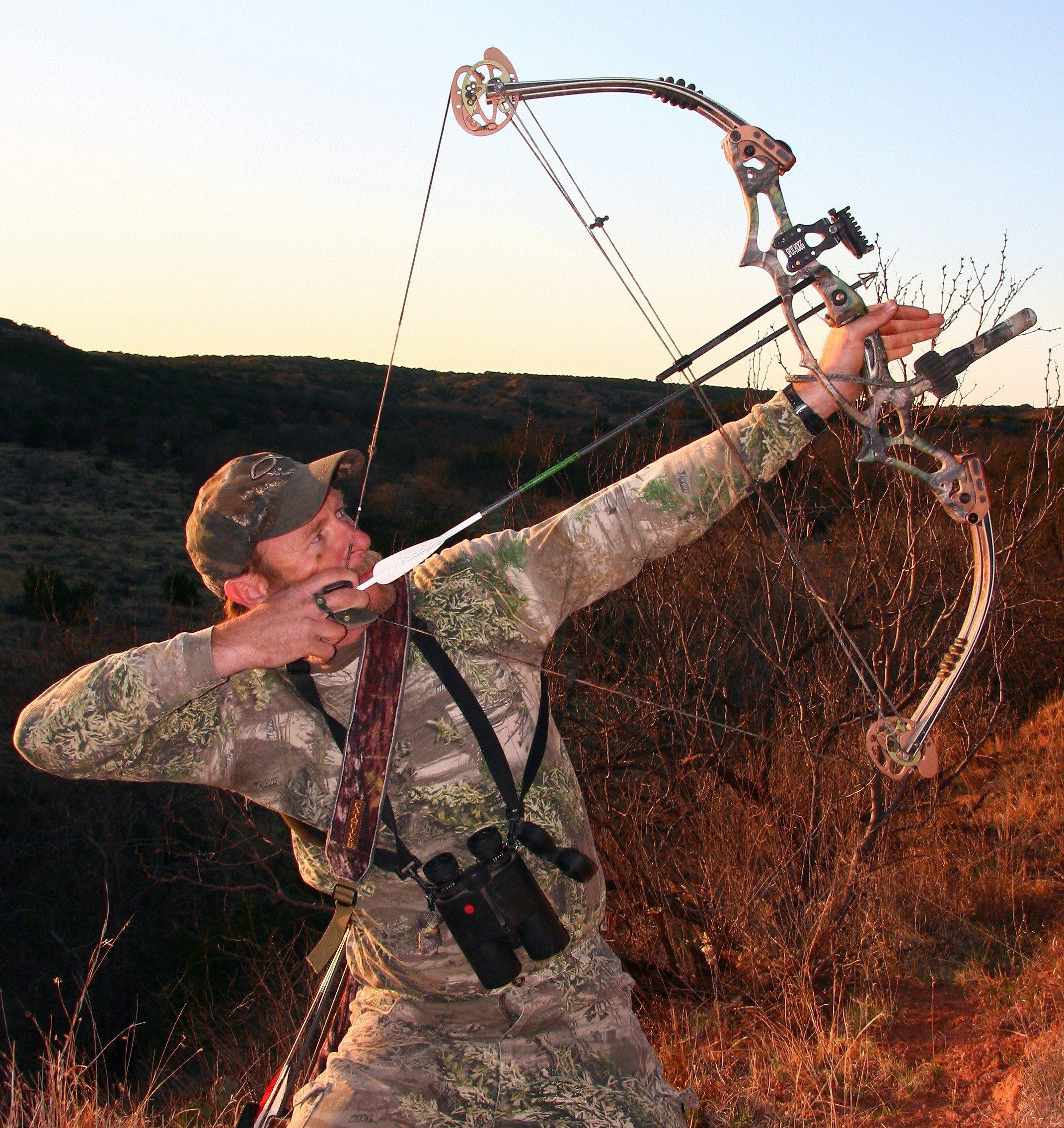
The Allure of Finger Shooting with a Compound Bow
Many archers are drawn to the feel and direct connection of finger shooting. It mimics the instinctive archery bow experience, offering a sense of control and immediacy not found with mechanical releases. While it presents certain challenges compared to using a release aid, mastering this technique can be incredibly rewarding. For some, it serves as a recurve bow alternative, blending the technology of a compound with the traditional feel of finger shooting.
Benefits of Shooting with Fingers
- Enhanced Connection: A closer, more tactile link with the bow.
- Simplicity: Eliminates the need for mechanical release aids.
- Traditional Feel: Offers a similar experience to traditional archery styles.
- Quiet Operation: Can be quieter than some mechanical releases.
Choosing the Right Compound Bow
Not all compound bows are created equal when it comes to finger shooting. Selecting a bow designed with finger shooters in mind is crucial for comfort, accuracy, and overall success.
Key Considerations for Bow Selection
- Axle-to-Axle Length (ATA): A longer ATA is generally preferred. Aim for at least 35 inches, and ideally 38 inches or more. This increased length offers a more forgiving string angle at full draw, preventing finger pinch.
- Brace Height: A higher brace height (7 inches or more) also contributes to a more comfortable string angle and reduces finger pinch.
- Let-Off: Lower let-off percentages (65-75%) are often favored by finger shooters, as they provide a more consistent and solid feel at full draw. Higher let-off bows can feel “mushy” and make it harder to hold steady.
- Grip: A comfortable and repeatable grip is essential. Consider aftermarket grips designed for finger shooting, which often feature a more rounded or neutral profile.
- Weight: Choose a bow weight you can comfortably hold at full draw for an extended period. Finger shooting requires more physical stamina than using a release aid.
Recommended Bow Features for Finger Shooters
| Feature | Benefit |
|---|---|
| Long ATA | Reduces finger pinch and improves stability |
| High Brace Height | Offers a more forgiving string angle and reduces finger pinch |
| Lower Let-Off | Provides a more solid and consistent feel at full draw |
| Comfortable Grip | Enhances repeatability and minimizes torque |
Optimizing Bow Setup for Finger Shooting
Once you’ve selected the right bow, setting it up specifically for finger shooting is paramount. This includes string selection, finger tab bow setup, and other crucial adjustments.
String Selection and Care
- String Material: Opt for a high-quality string material like BCY-X or 452X. These materials offer excellent stability and minimal stretch, contributing to consistent arrow flight.
- String Serving: Ensure the string serving in the finger area is smooth and durable. A worn or uneven serving can cause inconsistent releases and finger discomfort. Consider having a thicker serving installed in this area for added protection and comfort.
- String Maintenance: Regularly inspect your string for wear and tear. Replace the string when necessary to maintain safety and performance. Wax the string frequently to prolong its life and reduce friction.
Finger Protection: Tabs, Gloves, and Accessories
Protecting your fingers is essential for comfort and preventing injury. Several options are available:
- Finger Tabs: Leather or synthetic tabs that provide a smooth and consistent release surface.
- Shooting Gloves: Offer full finger protection and can be a good option for archers who prefer a more traditional feel.
- Finger Savers: Small rubber or plastic pieces that attach to the bowstring, providing cushioning and preventing finger pinch.
Choose the option that feels most comfortable and provides the best release consistency for you. Experiment with different materials and thicknesses to find the perfect fit. The correct finger tab bow setup is crucial for accuracy.
Adjusting Draw Weight and Length
- Draw Weight: Start with a draw weight you can comfortably handle and gradually increase it as your strength and technique improve. Overbowing yourself can lead to poor form and injury.
- Finger bow draw length: Getting your finger bow draw length right is key. Have your finger bow draw length professionally measured. Unlike using a release aid, your anchor point will vary slightly.
Nock Points and Tuning
- Nock Point Placement: Correct nock point placement is crucial for achieving consistent arrow flight. Start with the nock point slightly above level and fine-tune it through paper tuning or bare shaft tuning.
- Tuning for Finger Release: Finger shooting requires a slightly different tuning approach than using a release aid. Focus on achieving a clean and consistent release, and adjust your bow’s tuning accordingly. Experiment with different arrow rests and plunger tensions to find the optimal setup.
Mastering the Finger Shooting Technique
Developing a consistent and repeatable finger shooting technique takes time and practice. Focus on these key elements:
Grip and Stance
- Grip: Hold the bow lightly, with your fingers relaxed. Avoid gripping the bow too tightly, as this can induce torque and affect accuracy.
- Stance: Adopt a stable and balanced stance, with your feet shoulder-width apart and your body aligned towards the target.
Drawing the Bow
- Hooking the String: Place three fingers on the string – one above the nock and two below. Ensure your fingers are evenly spaced and the string is seated comfortably in the first joint.
- Drawing Motion: Use your back muscles to draw the bow smoothly and steadily. Avoid pulling with your arm muscles, as this can lead to fatigue and inconsistent releases.
Anchor Point and Aiming
- Anchor Point: Establish a consistent anchor point on your face. Common anchor points include the corner of your mouth, the cheekbone, or the jawline. Consistency is key for repeatable accuracy.
- Aiming: Finger shooters often rely on instinctive aiming, using visual cues and practice to develop a natural sense of where the arrow will impact. Others may use a bow sight for finger shooters, but this is less common.
The Release
- Clean Release: The release should be smooth and effortless, allowing the string to roll off your fingers cleanly. Avoid plucking or snatching at the string, as this can disrupt arrow flight.
- Follow-Through: Maintain your anchor point and hold your form after the release. A good follow-through helps ensure a consistent and accurate shot.
Practicing for Consistency
- Regular Practice: Consistent practice is essential for developing and maintaining your finger shooting technique.
- Focus on Form: Concentrate on proper form and technique during each shot.
- Analyze Your Shots: Pay attention to your arrow groupings and make adjustments to your form or bow setup as needed.
- Consider Coaching: Seek guidance from an experienced archery coach who can provide personalized feedback and help you refine your technique.
Fine-Tuning for Accuracy: Arrow Selection and Spine
Selecting the correct arrows and ensuring they are properly spined for your bow and draw length is crucial for achieving optimal accuracy.
Arrow Spine
- Understanding Spine: Arrow spine refers to the stiffness of the arrow shaft. A properly spined arrow will flex correctly during the shot, resulting in straighter and more consistent flight.
- Choosing the Right Spine: Use an arrow spine chart or consult with an archery professional to determine the correct spine for your bow’s draw weight, draw length, and arrow point weight.
- Testing and Adjusting: Fine-tune your arrow selection through bare shaft tuning. This involves shooting fletched and unfletched arrows and observing their flight characteristics. Adjust your arrow spine, point weight, or nock point until the arrows group together consistently.
Arrow Weight
- Total Arrow Weight: The overall weight of your arrow can affect its speed, trajectory, and penetration.
- Matching Arrow Weight to Your Needs: Consider your intended use for the bow when selecting arrow weight. Lighter arrows will be faster and have a flatter trajectory, while heavier arrows will be more stable in windy conditions and offer better penetration for hunting or bowfishing finger release.
Arrow Fletching
- Fletching Type and Size: The type and size of fletching can also impact arrow flight. Larger fletchings provide more stabilization and are often preferred for finger shooting.
- Fletching Configuration: Experiment with different fletching configurations (e.g., straight, offset, helical) to find the setup that provides the best accuracy for your bow and shooting style.
Adapting to Compound Bow Dynamics
Unlike traditional bows, traditional archery compound bows have cams and wheels that store energy. This changes how the string feels and releases. Learning to manage this is part of the process.
Managing Cam Lean
- What is Cam Lean? Cam lean refers to the degree to which the cams on your compound bow are tilted at full draw. Excessive cam lean can cause inconsistent arrow flight and tuning issues.
- Addressing Cam Lean: Many modern compound bows feature adjustable yokes or shims that allow you to correct cam lean. Consult with an archery professional to diagnose and address cam lean issues.
Understanding Torque
- Torque Explained: Torque is the twisting force applied to the bow during the draw and release. Excessive torque can significantly affect accuracy.
- Minimizing Torque: Maintain a relaxed grip and avoid squeezing the bow handle. Ensure your bow is properly tuned and your arrows are spined correctly.
Troubleshooting Common Issues
Finger shooting with a compound bow can present unique challenges. Here are some common issues and how to address them:
Finger Pinch
- Cause: Finger pinch occurs when the string angle at full draw is too severe, causing discomfort and affecting release consistency.
- Solutions: Choose a bow with a longer ATA and higher brace height. Experiment with different finger tabs or gloves to find the best fit. Adjust your draw length to reduce the string angle.
Inconsistent Releases
- Cause: Inconsistent releases can be caused by a variety of factors, including improper finger placement, tension in your fingers or hand, and inconsistent anchor points.
- Solutions: Focus on developing a smooth and relaxed release. Practice proper finger placement and anchor point consistency. Consider seeking guidance from an experienced archery coach.
Arrow Flight Problems
- Cause: Arrow flight problems can be caused by improper arrow spine, incorrect nock point placement, cam lean, or torque.
- Solutions: Ensure your arrows are properly spined for your bow and draw length. Adjust your nock point until your arrows fly straight. Address any cam lean issues. Minimize torque by maintaining a relaxed grip.
Is a Compound Bow Right For You?
While it is possible to finger shoot a compound bow, there is always a question of whether this is truly the right fit for an archer.
Compound Bow Pros
- Increased power and efficiency over traditional bows.
- Greater accuracy potential with proper tuning.
- Adjustable draw weight and draw length.
Compound Bow Cons
- More complex to set up and tune than traditional bows.
- Requires more specialized equipment.
- May not offer the same level of instinctive feel as traditional archery.
Finger Shooting Compound: A Niche but Rewarding Pursuit
Shooting a finger shooting compound bow requires dedication, practice, and a willingness to adapt. By selecting the right bow, optimizing your setup, mastering your technique, and troubleshooting common issues, you can enjoy the unique and rewarding experience of finger shooting with a compound bow. Whether you are interested in target archery finger style or simply seeking a recurve bow alternative, the world of finger shooting with a compound bow offers a blend of modern technology and traditional archery principles.
Frequently Asked Questions (FAQ)
What is the best axle-to-axle length for a compound bow for finger shooting?
Ideally, aim for an axle-to-axle length of at least 35 inches, and preferably 38 inches or more. This helps reduce finger pinch and improves stability.
Can I use any compound bow for finger shooting?
While technically possible, not all compound bows are ideal for finger shooting. Look for bows with longer axle-to-axle lengths, higher brace heights, and lower let-off percentages.
Who is finger shooting a compound bow for?
Finger shooting a compound bow is ideal for archers who appreciate the connection to traditional archery but also desire the power and adjustability of a compound.
What is the best finger protection to use?
Your ultimate finger comfort and shooting precision is a personal quest. Dive into a world of finger tabs, shooting gloves, and specialized finger savers to discover the perfect harmony that best supports your release and feels uniquely yours.
What is the optimal brace height for finger shooting a compound bow?
Aim for a brace height of 7 inches or more. This helps reduce finger pinch and provides a more forgiving string angle at full draw.

Hi, I’m Robert Contreras, a passionate archery instructor based in the USA. With years of experience under my belt, I’ve dedicated my life to mastering the art of archery and sharing its intricacies with enthusiasts of all levels. Through my website, 10Bows.com, I invite you to explore a treasure trove of tips, techniques, and personal insights that reflect my journey in the world of archery. Whether you’re picking up a bow for the first time or refining your skills, I’m here to help guide you toward precision, focus, and a deeper appreciation for this timeless sport.