Are you looking to enhance your performance with a compound bow for competition? Yes, you can improve your accuracy with a compound bow by selecting the right equipment, tuning it properly, and practicing consistently. This guide dives deep into the world of competitive compound archery, covering everything from bow selection to fine-tuning for peak performance.
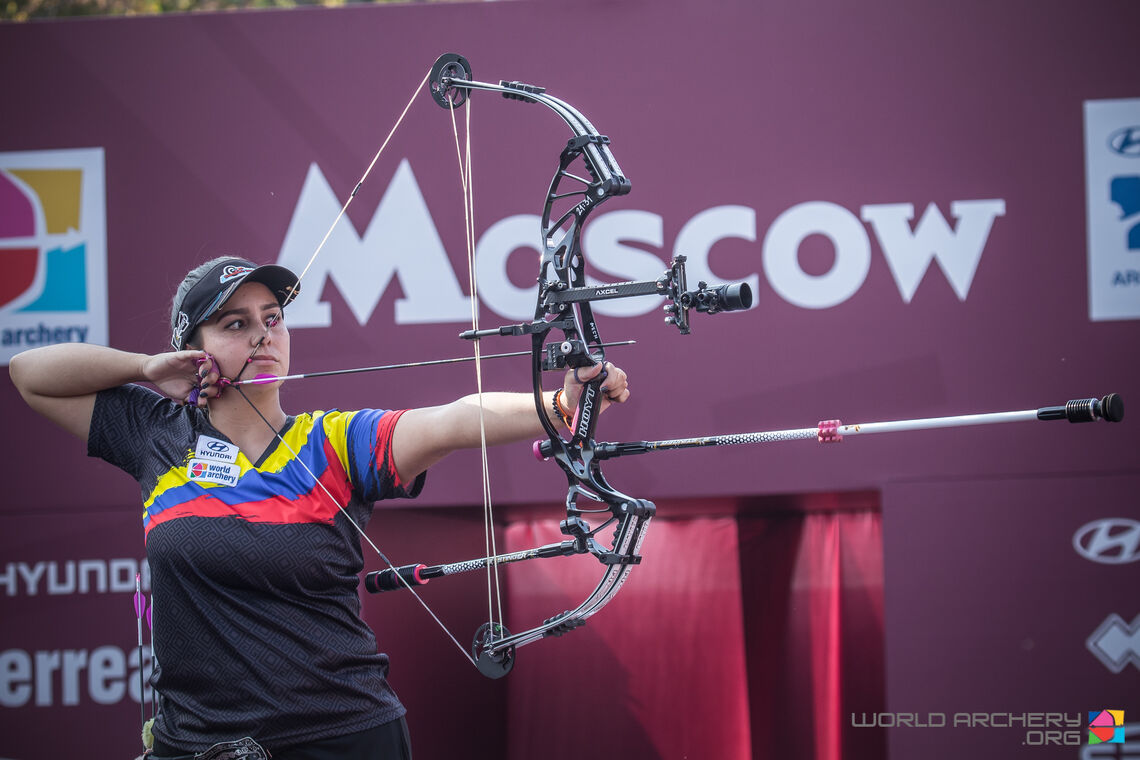
Image Source: www.worldarchery.sport
Selecting Your Target Archery Bow
Choosing the right target archery bow is the first and most crucial step toward competitive success. A high-performance compound bow designed for target archery is different from a hunting bow. They are built with accuracy and stability in mind.
Key Factors in Bow Selection
- Axle-to-Axle Length: A longer axle-to-axle length (ATA) is generally more stable and forgiving, especially for longer draw lengths. Look for bows with an ATA of 35 inches or more for target archery.
- Brace Height: Brace height affects the bow’s forgiveness. A longer brace height (7 inches or more) is more forgiving of small errors in your release.
- Draw Weight: Choose a draw weight you can comfortably hold at full draw for an extended period. Accuracy is more important than maximizing draw weight. Most competitive archers use draw weights between 50 and 60 pounds.
- Let-Off: High let-off (70-85%) reduces the holding weight at full draw, allowing for a more stable and relaxed aiming process.
- Grip: The grip is your connection to the bow. Ensure it is comfortable and promotes consistent hand placement. Many archers prefer aftermarket grips that are thinner or shaped to fit their hand perfectly.
- Cam System: Different cam systems offer varying draw cycles and speeds. Smooth drawing cams are usually preferred for target archery since they are easier to draw repeatedly and contribute to consistency.
High Performance Compound Bows: Recommended Brands
Several brands are known for producing excellent target archery bows. Research these brands and find a local dealer to try different models:
- Hoyt: Known for innovation and quality.
- Mathews: Popular for their smooth draw cycles.
- PSE (Precision Shooting Equipment): Offers a range of bows for different budgets.
- Bowtech: Known for its technologies and performance.
- Elite Archery: Focuses on shootability and accuracy.
Competition Archery Equipment: Outfitting Your Bow
Once you’ve chosen your bow, you’ll need to outfit it with the right competition archery equipment to maximize its accuracy potential.
Archery Sight Systems: Precision Aiming
A quality archery sight system is essential for accurate aiming.
- Target Sights: Target sights feature micro-adjustments for precise elevation and windage corrections. Choose a sight with a durable frame and clear sight pins or a lens.
- Scopes: Scopes magnify the target, improving accuracy, especially at longer distances. Scope lenses range from 2x to 8x magnification.
- Sight Pins: Choose the appropriate size and number of sight pins for the distances you’ll be shooting.
- Dampening: Sight dampeners can reduce vibration and noise.
Compound Bow Stabilizers: Balancing and Reducing Vibration
Compound bow stabilizers are crucial for balancing the bow and reducing vibration.
- Long Stabilizers: Extend out from the front of the bow and help steady your hold. They typically range from 27 to 33 inches long.
- Side Rods (Back Bars): Extend out to the side of the bow and help balance the bow horizontally.
- Vibration Dampeners: Made of rubber or other vibration-absorbing materials.
| Stabilizer Type | Function | Length |
|---|---|---|
| Long Stabilizer | Steady hold, reduce wobble | 27-33 inches |
| Side Rod | Horizontal balance | 10-15 inches |
| V-Bar | Connects long stab & side rod | Adjustable |
| Dampener | Absorb vibration, reduce noise | Varies |
Tournament Archery Arrows: The Projectile
Tournament archery arrows are specifically designed for accuracy and consistency.
- Carbon Arrows: The most popular choice for target archery. They are lightweight, durable, and offer excellent spine consistency.
- Spine: The spine (stiffness) of the arrow must match your bow’s draw weight and draw length. Use a spine chart from the arrow manufacturer to select the correct spine.
- Fletching: The vanes or feathers on the arrow that stabilize it in flight. Choose fletching that is appropriate for your shooting style and conditions.
- Nocks: The nock connects the arrow to the bowstring. Choose nocks that fit your string properly and provide a consistent release.
- Points: The point is the front of the arrow. Use break-off points to fine-tune arrow weight.
Other Professional Archery Accessories
- Release Aid: A mechanical device that helps you release the string consistently. Choose a release that feels comfortable and promotes a clean release. Wrist strap releases, thumb button releases, and hinge releases are common types.
- Arrow Rest: Supports the arrow during the draw cycle. Drop-away rests are popular because they provide clearance for the arrow during release.
- Peep Sight: Aligns your eye with the sight pin or scope. Choose a peep sight that is the correct size for your sight and shooting style.
- String Loop: A short length of material that is tied to the bowstring where you attach your release. It protects the string and provides a consistent anchor point.
- Bow Sling: A strap that attaches to your bow and allows you to hold it securely without gripping it tightly.
Accurate Compound Bow Setup: Tuning for Precision
Once you have your equipment, you need to tune your bow for maximum accuracy. Competitive bow tuning is an iterative process.
Initial Setup
- Install Accessories: Mount your sight, rest, stabilizer, and other accessories.
- Set Draw Length: Adjust the draw length on your bow to match your draw length.
- Set Draw Weight: Set the draw weight to your desired poundage.
Paper Tuning
Paper tuning involves shooting an arrow through a piece of paper and analyzing the tear in the paper to determine if the arrow is flying straight.
- Tear Indicators: Different tear patterns indicate different tuning issues.
- Correcting Tears: Adjust your arrow rest or nock point to correct the tears.
Walk-Back Tuning
Walk-back tuning helps you fine-tune your sight and arrow rest for consistent arrow flight at different distances.
- Shooting at Different Distances: Shoot groups of arrows at different distances (e.g., 20, 30, 40 yards).
- Adjusting Sight: Adjust your sight so that your arrows impact the same vertical line at all distances.
Bare Shaft Tuning
Bare shaft tuning involves shooting arrows without fletching to determine if the arrow is flying straight. This is an advanced tuning technique that can provide excellent results.
- Impact Analysis: Compare the impact point of the bare shaft to fletched arrows.
- Adjustments: Adjust your arrow rest or nock point to correct the impact point.
Competitive Bow Tuning: Final Tweaks
- Cam Timing: Ensure that the cams are timing correctly. This ensures that the draw cycle is smooth and that the bow is shooting efficiently.
- Limb Bolts: Adjust the limb bolts to fine-tune the draw weight and cam timing.
Practice and Technique: Refining Your Skills
Even with the best equipment and tuning, you need to practice consistently to improve your accuracy.
Stance and Grip
- Consistent Stance: Develop a consistent stance that is comfortable and balanced.
- Relaxed Grip: Grip the bow lightly and avoid torquing the bow.
Draw and Anchor
- Smooth Draw: Draw the bow smoothly and consistently.
- Consistent Anchor Point: Establish a consistent anchor point on your face.
Aiming and Release
- Focus on the Target: Focus your eyes on the target and allow your pin to float naturally.
- Clean Release: Release the string smoothly and consistently. Avoid punching or anticipating the shot.
Mental Game
- Concentration: Focus on the shot process and avoid distractions.
- Visualization: Visualize yourself shooting a perfect shot.
- Positive Thinking: Maintain a positive attitude and avoid getting discouraged by mistakes.
Olympic Archery Compound Bow: Differences and Considerations
While compound bows are not currently used in the Olympic Games, understanding the differences between compound bows and recurve bows (the type used in the Olympics) can be helpful.
- Mechanical Aids: Compound bows use mechanical aids such as sights, releases, and stabilizers to improve accuracy. Recurve bows rely on the archer’s skill and technique.
- Draw Cycle: Compound bows have a let-off, which reduces the holding weight at full draw. Recurve bows have a linear draw cycle, meaning the archer must hold the full draw weight at full draw.
- String Walking: Recurve archers can use string walking (changing the position of their fingers on the string) to adjust their point of impact. Compound archers rely on their sights to adjust for different distances.
Fathoming Legal and Ethical Considerations
Before participating in competitive archery, it’s crucial to be aware of the legal and ethical aspects involved. Regulations can vary by location and tournament.
Equipment Rules
- Maximum Draw Weight: Many tournaments have a maximum draw weight limit.
- Sight Restrictions: Some tournaments may restrict the use of certain types of sights or scopes.
- Arrow Restrictions: There may be restrictions on the type of arrows you can use.
Fair Play
- Honesty: Be honest and ethical in all your actions.
- Respect: Respect your fellow competitors and the rules of the game.
Safety
- Safe Handling: Handle your bow and arrows safely at all times.
- Range Rules: Follow all range rules and instructions.
FAQ: Compound Bows for Competition
-
What is the best draw weight for a target archery bow?
The best draw weight is the highest weight you can comfortably hold at full draw for an extended period without fatigue. Most competitive archers use draw weights between 50 and 60 pounds.
-
Can I use a hunting bow for target archery?
While you can use a hunting bow for target archery, it is not ideal. Target archery bows are designed for accuracy and stability, while hunting bows are designed for speed and maneuverability.
-
Who is responsible for ensuring my equipment meets competition standards?
As the archer, the ultimate responsibility for ensuring your gear aligns with the competition’s specific standards and regulations rests squarely on your shoulders. While tournament organizers will likely have rules and inspection processes, it’s your duty to be informed and compliant.
-
What are compound bow stabilizers for?
Compound bow stabilizers are used to balance the bow, reduce vibration, and steady your hold.
-
How often should I tune my compound bow?
You should tune your compound bow regularly, especially before important competitions. Check your tune whenever you change your equipment or notice a change in your arrow flight.
By carefully selecting your equipment, tuning your bow properly, and practicing consistently, you can maximize your accuracy and achieve your competitive archery goals.

Hi, I’m Robert Contreras, a passionate archery instructor based in the USA. With years of experience under my belt, I’ve dedicated my life to mastering the art of archery and sharing its intricacies with enthusiasts of all levels. Through my website, 10Bows.com, I invite you to explore a treasure trove of tips, techniques, and personal insights that reflect my journey in the world of archery. Whether you’re picking up a bow for the first time or refining your skills, I’m here to help guide you toward precision, focus, and a deeper appreciation for this timeless sport.