Have you ever looked up at the sky and wondered what pilots and air traffic controllers are talking about? It’s like a secret language happening high above our heads! Aviation radio scanners let you tap into that conversation, bringing the thrilling world of flight right to your fingertips. But with so many scanners out there, picking the perfect one can feel like navigating through a storm. You want something easy to use, but also powerful enough to hear every important transmission.
Choosing the wrong scanner can lead to a lot of frustration. Maybe it’s too complicated, or it just doesn’t pick up the signals you want to hear. That’s where this guide comes in! We’re going to break down everything you need to know about aviation radio scanners. You’ll learn what makes a scanner great, what features to look for, and how to avoid common mistakes. By the end, you’ll feel confident in choosing a scanner that will unlock the exciting world of aviation audio.
So, get ready to tune in! We’ll dive into the exciting features and practical advice that will help you make the best choice for your aviation listening adventures. Let’s get started on finding the perfect scanner to bring the skies a little closer.
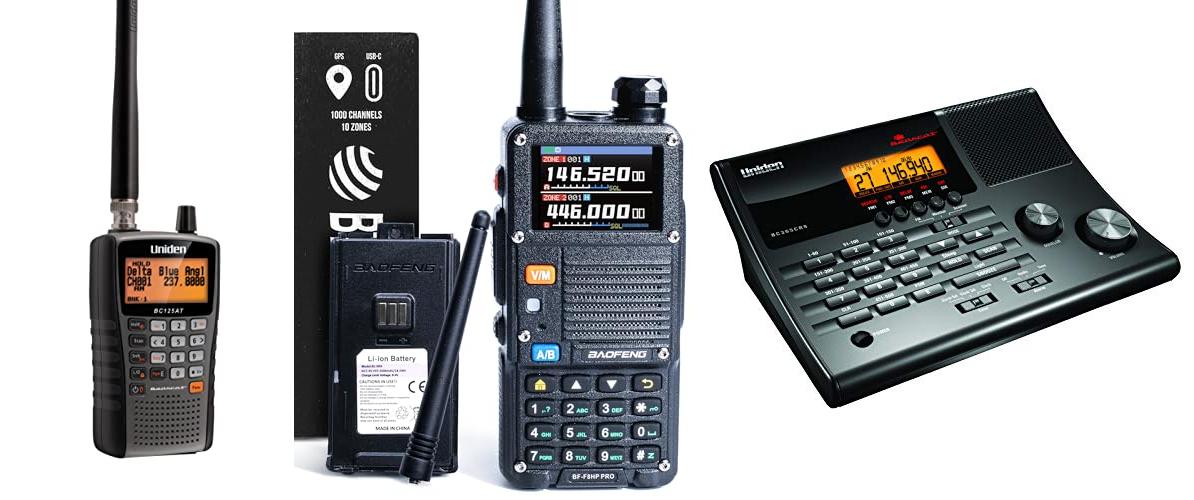
Our Top 5 Aviation Radio Scanner Recommendations at a Glance
Top 5 Aviation Radio Scanner Detailed Reviews
1. Uniden Bearcat BC125AT Handheld Scanner

Rating: 8.7/10
The Uniden Bearcat BC125AT Handheld Scanner lets you listen in and stay informed about everything happening around you. This compact scanner is packed with features and can store 500 channels, each with a name so you know exactly what you’re listening to. Its Close Call technology is like a super-listener, instantly finding nearby signals, and it won’t interrupt you when you’re already listening to something. You can tune into over 40,000 frequencies, covering everything from non-digital police and fire alerts to aircraft, marine, and even racing events.
What We Like:
- Listen to over 40,000 frequencies, including non-digital police, fire, and public safety.
- 500 Alpha-Tagged Channels make it easy to find and organize what you want to listen to.
- Close Call RF capture technology instantly finds nearby signals.
- Lightweight and portable design, perfect for taking on the go.
- Convenient pre-set search bands get you listening right away.
- Orange backlight display is easy to read in any light.
What Could Be Improved:
- This scanner cannot monitor digital radio systems (like Project 25, DMR, NXDN) or trunking systems.
- It is not a 2-way communication device; it only receives transmissions.
If you’re looking for an easy way to stay updated on local non-digital broadcasts, this scanner is a solid choice. Just remember to check if your local public safety agencies use digital systems before you buy.
2. BAOFENG BF-F8HP PRO 10 W Tri-Band Two-Way Radio – UV-5R 7th Gen

Rating: 8.9/10
The BAOFENG BF-F8HP PRO is a powerful and versatile two-way radio designed for licensed amateur radio operators and outdoor enthusiasts. It offers a wide range of frequencies, advanced features like GPS and NOAA weather alerts, and a rugged build for reliable performance in various conditions. This 7th generation UV-5R model boasts an impressive 10W output, 1000 channels, and USB-C charging for convenience.
What We Like:
- Tri-band flexibility (VHF, UHF, 1.25M) opens up many communication options for licensed users.
- Powerful 10W output on VHF/UHF means clear and strong transmissions.
- Built-in NOAA weather radio keeps you informed about severe weather.
- GPS location sharing is great for safety and outdoor adventures.
- Customizable zone management lets you organize up to 1000 channels easily.
- Dual independent zone control allows you to monitor two areas at once.
- Aviation band reception (RX only) is a cool feature for aviation fans.
- Firmware updatable for long-term use and new features, reducing waste.
- IP54 rugged design makes it durable for tough environments.
- USB-C rechargeable battery offers easy charging.
- BTECH provides excellent USA-based support and warranty.
What Could Be Improved:
- The 1.25M band has a lower 5W output compared to VHF/UHF.
- Aviation band is receive-only, meaning you cannot transmit on it.
This radio is a fantastic choice for those needing reliable communication and advanced features. Its upgradable firmware and strong USA support make it a smart long-term investment.
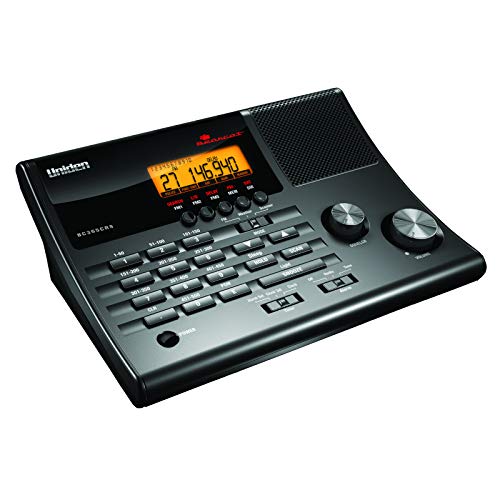
3. Uniden BC365CRS 500 Channel Scanner and Alarm Clock
Rating: 9.1/10
The Uniden BC365CRS is a cool all-in-one device that lets you listen to important broadcasts and also wakes you up. It’s a scanner, alarm clock, and FM radio all in one. You can easily set it up on your desk. It’s a budget-friendly way to stay informed about what’s happening around you.
What We Like:
- It has 500 channels so you can listen to lots of different things.
- It comes with easy-to-use presets for popular searches like police, fire, weather, and aviation.
- You can save up to 30 FM radio stations.
- The alarm clock lets you wake up to scanning, weather, or your favorite radio station.
- It looks nice on a desk and has a clear, backlit display for easy reading.
- The “Priority with Do-Not-Disturb” feature lets you keep an ear on important channels.
What Could Be Improved:
- This scanner only works with analog signals. It cannot pick up digital transmissions like some police or fire departments use now.
- If you need to listen to digital communications, you’ll need to look at different Uniden models.
This Uniden scanner is a great option if you want to listen to analog broadcasts and also have a handy alarm clock. It’s a straightforward device for staying connected.
4. Radtel RT-470X Multi-Band Ham Radio 256CH Aviation Air Band Radio NOAA Marine Walkie Talkies Long Range Handheld Transceiver USB-C

Rating: 9.4/10
The Radtel RT-470X is a powerful and versatile handheld transceiver designed for a wide range of communication needs. This radio packs a lot of features into a compact device, making it a great companion for amateur radio enthusiasts, pilots, boaters, and anyone needing reliable long-range communication.
What We Like:
- It’s super easy to use, even if you’re new to radios. The screen is big and clear, so you can see everything easily.
- This radio can pick up and send signals on lots of different frequencies, including ham radio bands, air band, and even NOAA weather.
- You have many ways to program the radio, like using cables or special software.
- The wireless frequency copy feature is really handy. You can quickly copy settings from another radio without needing to plug anything in.
- The dual PTT button lets you transmit on two different frequencies without switching bands, which is very convenient.
- It has cool extra features like a flashlight, SOS alarm, and VOX for hands-free talking.
- The large 2800mAh battery lasts a long time, and it charges with a modern USB-C cable.
What Could Be Improved:
- The wireless copy feature only works within a short distance of 1 meter.
- While it has many features, some advanced users might want even more programming flexibility beyond CHIRP and CPS.
The Radtel RT-470X offers a lot of value with its extensive features and user-friendly design. It’s a solid choice for anyone looking for a multi-band radio that can handle various communication scenarios.
5. Uniden Bearcat SR30C

Rating: 8.8/10
The Uniden Bearcat SR30C is a fantastic, budget-friendly handheld scanner that lets you tune into a world of non-digital radio communications. It’s compact and packed with features, making it a great way to stay informed about local events, weather, and various public safety broadcasts. With 500 channels and pre-programmed banks for popular searches, getting started is a breeze.
What We Like:
- It’s very affordable, offering great value for its features.
- The compact design makes it easy to carry anywhere.
- Pre-programmed service banks simplify finding interesting frequencies.
- PC programming makes customizing channels straightforward.
- Close Call RF Capture instantly finds nearby signals.
- It offers three convenient power options for flexibility.
- The delay function prevents missed replies in conversations.
What Could Be Improved:
- This scanner cannot receive digital communications, which many agencies now use.
- It requires separate purchase of batteries for portable use.
If you’re looking for an easy and affordable way to listen to analog radio signals, the Uniden Bearcat SR30C is an excellent choice for beginners and hobbyists.
Your Guide to Aviation Radio Scanners
Want to listen in on pilots and air traffic control? An aviation radio scanner lets you do just that! It’s a fun way to explore the world of flying, from your own backyard. This guide will help you pick the best scanner for your needs.
1. Key Features to Look For
When you shop for an aviation radio scanner, keep these important features in mind.
Frequency Range
This tells you which radio waves the scanner can pick up. Aviation scanners usually cover the VHF airband, which is from 108 to 137 MHz. Make sure the scanner you choose covers this range so you can hear planes and control towers.
Channels
Channels are like memory slots for different radio frequencies. More channels mean you can save more of your favorite listening spots. Some scanners have just a few channels, while others have hundreds or even thousands.
Scanning Speed
This is how fast the scanner moves from one channel to the next. A faster scanning speed helps you catch important conversations before they end. Look for scanners that scan at least 50 channels per second.
Display and Controls
A clear display makes it easy to see which channel you are on and what settings you have. Easy-to-use buttons are also important. Some scanners have simple knobs, while others have complex menus. For beginners, simpler controls are usually better.
Battery Life
If you plan to take your scanner to an airport or on a trip, good battery life is a must. Look for scanners that can run for several hours on a single charge or with fresh batteries.
Durability
Some scanners are built tough and can handle being bumped around. If you plan to use your scanner outdoors or in a busy environment, a durable scanner is a good idea.
2. Important Materials
Most aviation radio scanners are made from strong plastic. This keeps them light and easy to carry. The antenna is usually made of metal or a strong rubbery material. A good antenna helps you pick up signals better.
3. Factors That Improve or Reduce Quality
Several things can make your scanner work better or worse.
Antenna Quality
A better antenna can pick up weaker signals. This means you can hear planes that are farther away. A small, built-in antenna might not be as good as a larger, external one.
Internal Components
The parts inside the scanner affect how well it works. Good quality parts help the scanner receive clear sound and avoid static.
Signal Interference
Sometimes, other electronic devices can create interference. This can make it hard to hear conversations clearly. Using your scanner away from other electronics can help.
Weather Conditions
Rain or heavy clouds can sometimes affect radio signals. This is normal and usually doesn’t last long.
4. User Experience and Use Cases
Using an aviation radio scanner is pretty straightforward. You turn it on, select a frequency or start scanning, and listen.
For Beginners
If you’re new to scanning, start with a simple scanner. These are easy to set up and use. You can listen to planes taking off and landing at your local airport. It’s a great way to learn about aviation.
For Hobbyists
More experienced users might want a scanner with more features. They can program specific frequencies for different airports or air routes. Some scanners can even receive other radio signals besides aviation ones.
Use Cases
- Listening to air traffic control at airports.
- Tracking planes during airshows.
- Learning about aviation communication.
- Enjoying the sounds of the sky from home.
Choosing the right aviation radio scanner can open up a new world of exciting sounds. Consider these points, and you’ll be listening to the skies in no time!
Frequently Asked Questions (FAQ)
Q: What is an aviation radio scanner?
A: An aviation radio scanner is a device that lets you listen to radio conversations between pilots and air traffic controllers.
Q: What frequencies do aviation scanners use?
A: They mainly use the VHF airband, which is from 108 to 137 MHz.
Q: Do I need a license to use an aviation radio scanner?
A: In most places, you do not need a license to listen to public aviation frequencies. However, it’s always a good idea to check your local laws.
Q: Can I talk on an aviation radio scanner?
A: No, scanners are for listening only. You cannot transmit or talk on them.
Q: How far can an aviation radio scanner reach?
A: The range depends on the scanner’s antenna, power, and terrain. You can often hear planes within 20-50 miles, sometimes more.
Q: Are aviation radio scanners hard to set up?
A: Most scanners are quite easy to set up, especially basic models. You just need to plug them in or insert batteries.
Q: What is the difference between a handheld and a base station scanner?
A: Handheld scanners are small and portable. Base station scanners are larger and usually powered by AC electricity, often with better antennas.
Q: Can I listen to emergency services with an aviation scanner?
A: No, aviation scanners are designed for the airband. You need a different type of scanner for police or fire department frequencies.
Q: What is “squelch” on a scanner?
A: Squelch is a setting that cuts out static when there is no active radio signal. You adjust it so you only hear clear conversations.
Q: Where is the best place to use an aviation radio scanner?
A: Near airports or open areas with a clear view of the sky usually provides the best reception.
In conclusion, every product has unique features and benefits. We hope this review helps you decide if it meets your needs. An informed choice ensures the best experience.
If you have any questions or feedback, please share them in the comments. Your input helps everyone. Thank you for reading.

Hi, I’m Robert Contreras, a passionate archery instructor based in the USA. With years of experience under my belt, I’ve dedicated my life to mastering the art of archery and sharing its intricacies with enthusiasts of all levels. Through my website, 10Bows.com, I invite you to explore a treasure trove of tips, techniques, and personal insights that reflect my journey in the world of archery. Whether you’re picking up a bow for the first time or refining your skills, I’m here to help guide you toward precision, focus, and a deeper appreciation for this timeless sport.