The target distance in Olympic archery is 70 meters. This standardized archery competition distance ensures a level playing field for all athletes. The following is an in-depth look at everything you need to know about the official distances and regulations of Olympic archery.
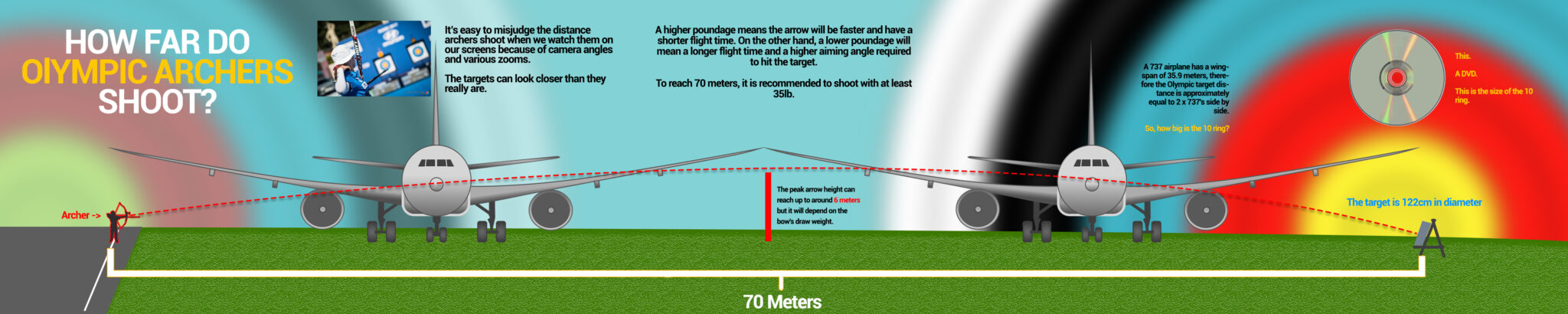
Image Source: www.onlinearcheryacademy.com
Olympic Archery: An Overview
Olympic archery is a sport of precision and focus. Archers use a recurve archery bow to shoot arrows at a target placed at a specific archery target range. The goal is simple: score as many points as possible by hitting the center of the target. While the equipment and techniques used are fascinating, one fundamental aspect of the sport is the official Olympic archery distance. Let’s delve into what governs this standard archery distance.
The Fixed Target Distance: 70 Meters
The 70 meter archery distance is the core of Olympic archery. Both men and women compete at this distance. This consistent target distance allows for fair comparisons across genders and different Olympic games. This archery distance regulation has been a cornerstone of the sport for a long time.
Why 70 Meters?
The choice of 70 meters wasn’t arbitrary. It represents a balance between challenge and accessibility.
- Challenge: The archery target range tests the archer’s skill. Wind, weather, and even fatigue become factors at this distance.
- Accessibility: While challenging, 70 meters is achievable for archers with proper training and equipment. It’s a distance that promotes skillful shooting rather than pure physical strength.
The Olympic Archery Range
The Olympic archery range isn’t just an open field. It’s a carefully designed space to ensure fair play and safety. Key elements include:
- Shooting Line: A clearly marked line where archers stand to shoot.
- Target Area: A flat, unobstructed area where the targets are placed.
- Safety Zones: Areas behind and to the sides of the target, kept clear for safety.
- Waiting Area: A designated space for archers to prepare and wait for their turn.
- Spectator Areas: Sections set aside for the audience to observe the competition safely.
Dimensions & Layout of the Range
While the 70-meter distance is standard, the overall dimensions of the range can vary. A typical Olympic archery range will have the following features:
- A width sufficient to accommodate multiple targets (usually side-by-side).
- Enough depth to allow for the 70-meter shooting distance plus safety zones.
- Consideration for wind direction and its impact on arrow flight.
The Olympic Archery Target
The Olympic archery target size is also standardized. This standardized target is crucial for ensuring a fair and consistent competition.
Dimensions and Scoring Zones
The target is a multi-colored circle with ten scoring zones. Here’s a breakdown:
| Zone | Color | Point Value |
|---|---|---|
| 10 (Inner Gold) | Gold | 10 |
| 10 (Outer Gold) | Gold | 10 |
| 9 | Gold | 9 |
| 8 | Red | 8 |
| 7 | Red | 7 |
| 6 | Blue | 6 |
| 5 | Blue | 5 |
| 4 | Black | 4 |
| 3 | Black | 3 |
| 2 | White | 2 |
| 1 | White | 1 |
Target Face Material
The target face is typically made of paper or a similar durable material. It’s designed to withstand repeated impacts from arrows without tearing easily.
Target Height
The center of the target is set at 1.3 meters (approximately 51 inches) above the ground. This height is designed to be consistent for all archers.
Recurve Archery Distance and Rules
Recurve archery is the type of archery used in the Olympics. Here are some essential rules and regulations related to distance:
Time Limits
Archers have a limited amount of time to shoot their arrows. The specific time limits can vary depending on the round and the number of arrows to be shot. Typically, archers are given 2 minutes to shoot a set of 3 arrows.
Equipment Regulations
While the distance is fixed, there are strict rules regarding the bows and arrows used. These rules ensure fair play and prevent any unfair advantages. Here are a few examples:
- Bow Type: Only recurve bows are allowed. Compound bows, which use cams and pulleys, are prohibited.
- Arrow Material: Arrows must be made of aluminum, carbon, or a combination of these materials.
- Sight Restrictions: Sights are allowed, but they cannot have magnifying lenses or electronic components.
Scoring Procedures
Scoring is done by judges who carefully examine each arrow’s position on the target. If an arrow is touching a line between two scoring zones, the archer receives the higher score.
Safety Protocols
Safety is paramount in Olympic archery. Here are some of the crucial safety measures in place:
- Clear Communication: Archers must wait for a signal from the judges before shooting.
- Designated Areas: Strict rules about where archers can stand and move on the range.
- Equipment Checks: Regular inspections of bows and arrows to ensure they are in safe working condition.
- Emergency Procedures: Trained medical personnel are on site to handle any injuries or emergencies.
Factors Affecting Accuracy at 70 Meters
Shooting accurately at 70 meters requires more than just strength. Several factors can influence an archer’s performance:
- Wind: Wind can significantly affect the trajectory of an arrow. Archers must learn to read the wind and adjust their aim accordingly.
- Weather: Rain, sunlight, and temperature can all impact an archer’s performance.
- Fatigue: Shooting multiple arrows over a long period can lead to fatigue. Archers must maintain physical and mental stamina.
- Mental Focus: Maintaining concentration and focus is critical for consistent accuracy.
Training and Preparation
Preparing for Olympic archery involves years of dedicated training. Here are some key aspects of an archer’s preparation:
- Physical Conditioning: Building strength, endurance, and flexibility.
- Technical Training: Perfecting shooting form and technique.
- Mental Training: Developing focus, concentration, and stress management skills.
- Equipment Tuning: Fine-tuning bows and arrows for optimal performance.
- Competition Experience: Participating in tournaments and competitions to gain experience under pressure.
A Historical View of Olympic Archery Distance
While the 70 meter archery distance is now standard, it wasn’t always the case. The history of Olympic archery has seen different distances and target sizes.
Early Olympic Games
In the early Olympic Games (1900-1920), archery events were diverse and often included different distances and target types. The specific rules and regulations varied from one Games to another.
Standardization
Over time, efforts were made to standardize the rules and distances. The 70-meter distance gradually became the norm, providing a more consistent and comparable competition format.
Modern Era
Today, the 70 meter archery distance is firmly established as the standard archery distance for Olympic archery. It reflects a commitment to fair play and a focus on skill and precision.
The Future of Olympic Archery Distance
While the 70-meter distance is unlikely to change anytime soon, the sport of archery continues to evolve. New technologies, training methods, and competition formats are constantly being developed. It’s exciting to think about how these advancements might shape the future of Olympic archery. The archery distance regulation may remain consistent, but the ways archers train and compete will continue to advance.
Fathoming the Impact of Distance in Archery
The precise distance to the target on an archery range profoundly shapes the sport’s challenge. At the Olympic standard of 70 meters, competition demands more than just a steady hand; it calls for keen strategic thinking and the ability to adapt to ever-changing environmental whims. Every arrow loosed is a testament to an archer’s mastery not only of their equipment and form but also their cunning in navigating the unpredictable dance with wind and weather.
Frequently Asked Questions (FAQ)
Q: What is the archery competition distance in the Olympics?
A: The archery competition distance in the Olympics is 70 meters.
Q: What is the size of the Olympic archery target?
A: The Olympic archery target has a diameter of 122 cm, with ten scoring zones ranging from 1 to 10 points.
Q: Can I use a compound bow in Olympic archery?
A: No, only recurve bows are allowed in Olympic archery.
Q: What is the target height in Olympic archery?
A: The center of the target is set at 1.3 meters (approximately 51 inches) above the ground.
Q: What are the official Olympic archery distance regulations?
A: The official Olympic archery distance is 70 meters for both men and women. Other regulations cover equipment, scoring, and safety.
Q: Who sets the archery distance regulations for the Olympics?
A: World Archery, the international governing body for the sport, sets the archery distance regulations for the Olympics.

Hi, I’m Robert Contreras, a passionate archery instructor based in the USA. With years of experience under my belt, I’ve dedicated my life to mastering the art of archery and sharing its intricacies with enthusiasts of all levels. Through my website, 10Bows.com, I invite you to explore a treasure trove of tips, techniques, and personal insights that reflect my journey in the world of archery. Whether you’re picking up a bow for the first time or refining your skills, I’m here to help guide you toward precision, focus, and a deeper appreciation for this timeless sport.