What is the difference between a compound bow and a recurve bow? A compound bow uses cams and pulleys to reduce the force needed to hold the bow at full draw, while a recurve bow is a more traditional bow design that requires the archer to hold the full draw weight. This article dives deep into the compound bow vs recurve bow debate, exploring their advantages, disadvantages, and what makes each suitable for different archers.
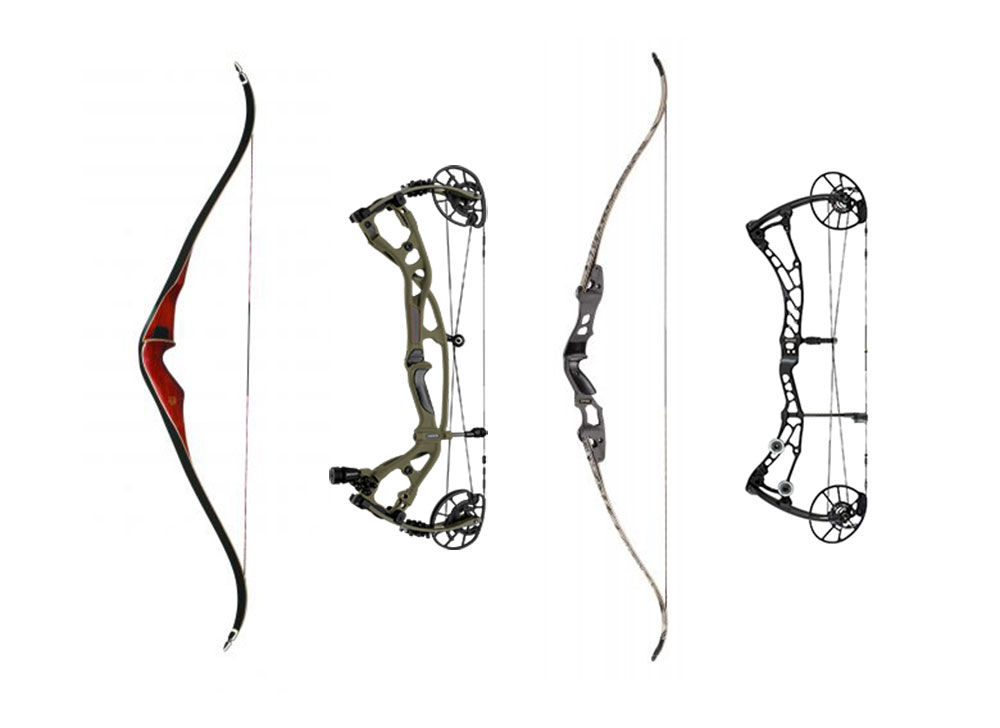
Image Source: www.outdoorlife.com
Demystifying the Choices: Compound Bow Vs Recurve Bow
Choosing between a compound bow and a recurve bow can feel overwhelming. Both archery bow types offer unique experiences, but they cater to different needs and skill levels. This archery bow comparison will break down the key differences to help you make an informed decision.
Grasping the Recurve Bow: Traditional Archery at its Finest
The recurve bow is a classic design. It’s a bow with limbs that curve away from the archer when unstrung. The recurve bow traditional design has been used for thousands of years, and it remains popular for its simplicity and connection to archery’s roots.
Recurve Bow Simplicity: A Closer Look
- Simple design: Fewer moving parts mean less maintenance and fewer things that can go wrong.
- Lightweight: Recurve bows are generally lighter than compound bows, making them easier to carry and maneuver.
- Instinctive shooting: Many archers feel a closer connection to the shot, relying more on instinct and feel than mechanical assistance.
Recurve Bow Advantages: Why Choose Traditional?
- Affordability: Entry-level recurve bows are often cheaper than compound bows.
- Simplicity: Easier to learn the basics of archery fundamentals.
- Traditional feel: Recurve bows offer a more direct and visceral archery experience.
- Competition: Olympic archery uses recurve bows, offering a path for competitive archers.
Recurve Bow Disadvantages: The Challenges
- Higher draw weight at full draw: Requires more strength and stamina to hold the bow steady.
- Less forgiving: Small errors in form can have a bigger impact on accuracy.
- Slower arrow speed: Generally slower than compound bows, impacting bow hunting accuracy at longer distances.
- Limited adjustability: Less adjustable than compound bows, making it harder to fine-tune for different archers or purposes.
Exploring the Compound Bow: Technology Meets Archery
The compound bow is a modern marvel of engineering. Compound bow technology utilizes a system of cams and pulleys to reduce the bow draw weight at full draw. This “let-off” allows archers to hold the bow steady for longer periods, improving accuracy and reducing fatigue.
Compound Bow Advantages: Precision and Power
- Higher arrow speed: Delivers arrows faster and flatter, improving accuracy at longer distances and increasing kinetic energy for bow hunting accuracy.
- Greater accuracy: The let-off allows for a more stable hold, reducing wobble and improving shot consistency.
- Adjustability: Compound bows offer a wide range of adjustments for draw length, draw weight, and other settings.
- Easier to hold at full draw: The let-off reduces the strain on the archer, allowing for a more relaxed and controlled release.
Compound Bow Disadvantages: Complexity and Cost
- Higher cost: Compound bows are generally more expensive than recurve bows.
- Complexity: More moving parts mean more maintenance and potential for mechanical failures.
- Heavier: Compound bows are typically heavier than recurve bows, which can be a factor for some archers.
- Less traditional feel: The mechanical nature of the compound bow can feel less connected to the roots of archery.
Detailed Archery Bow Comparison: Features and Functionality
Let’s delve deeper into the specifics. A direct archery bow comparison will highlight the key differences between recurve and compound bows.
| Feature | Recurve Bow | Compound Bow |
|---|---|---|
| Design | Simple, traditional | Complex, modern |
| Arrow Speed Difference | Slower | Faster |
| Draw Weight | Higher at full draw | Reduced at full draw (let-off) |
| Accuracy | More dependent on archer skill | More forgiving, aided by technology |
| Adjustability | Limited | Highly adjustable |
| Cost | Generally lower | Generally higher |
| Maintenance | Lower | Higher |
| Weight | Lighter | Heavier |
| Best Use Cases | Target archery, traditional archery, Olympic archery, beginner bow types | Bow hunting, 3D archery, target archery, archers with limited strength |
Choosing the Best: Factors to Consider
Selecting the right bow depends on your individual needs and preferences. Here’s a breakdown of key factors to consider when deciding between a compound bow and a recurve bow.
Determining Your Primary Use
- Bow Hunting: Compound bows are generally preferred for bow hunting due to their speed, accuracy, and let-off. The bow hunting accuracy advantage is significant, particularly at longer ranges.
- Target Archery: Both recurve and compound bows are used in target archery. Recurve bows are the standard for Olympic archery, while compound bows are common in other target archery competitions.
- Traditional Archery: Recurve bows are the obvious choice for those seeking a traditional archery experience.
- Recreational Shooting: Either type of bow can be used for recreational shooting, depending on personal preference.
Evaluating Your Physical Capabilities
- Strength: Recurve bows require more strength to hold at full draw. If you have limited strength, a compound bow with a high let-off may be a better choice.
- Stamina: Holding a recurve bow at full draw for extended periods can be tiring. A compound bow’s let-off reduces fatigue.
- Physical Limitations: If you have any physical limitations, such as shoulder or back problems, consult with a doctor or archery professional to determine the best type of bow for you.
Setting a Budget
- Entry-Level Costs: Recurve bows are generally more affordable for beginners.
- Upgrades and Accessories: Both types of bows can require additional expenses for arrows, targets, and other accessories.
- Maintenance Costs: Compound bows may require more frequent maintenance, leading to higher long-term costs.
Considering Your Learning Style
- Simplicity vs. Complexity: Recurve bows are simpler to learn the basics, while compound bows require learning more about their mechanics and adjustments.
- Instruction: Both types of bows benefit from proper instruction. Consider taking lessons from a qualified archery coach.
- Patience: Learning archery takes time and patience, regardless of the type of bow you choose.
Beginner Bow Types: Starting Your Archery Journey
If you’re new to archery, choosing the right beginner bow types is crucial.
- Recurve Bows: A simple recurve bow is an excellent starting point for learning the fundamentals of archery.
- Light Draw Weight: Start with a low bow draw weight that you can comfortably handle.
- Youth Bows: Consider youth bows, which are designed for smaller frames and lower draw weights.
Fathoming the Draw Weight
The bow draw weight is the amount of force required to pull the bowstring back to full draw. Choosing the correct bow draw weight is essential for accuracy and safety.
- Too Low: A draw weight that is too low may not provide enough arrow speed or penetration for bow hunting.
- Too High: A draw weight that is too high can lead to fatigue, poor form, and potential injury.
- Proper Fit: Choose a draw weight that you can comfortably and consistently handle.
- Beginner Recommendations: Start with a lower draw weight and gradually increase it as your strength and technique improve. For adult beginners, 20-30 lbs is a good starting point.
Arrow Speed Difference: Why It Matters
The arrow speed difference between recurve and compound bows is significant. Compound bows generally shoot arrows much faster.
- Kinetic Energy: Faster arrows carry more kinetic energy, which is important for bow hunting.
- Trajectory: Faster arrows have a flatter trajectory, making it easier to aim at longer distances.
- Wind Drift: Faster arrows are less affected by wind drift, improving accuracy in windy conditions.
Maintenance: Keeping Your Bow in Top Condition
Proper maintenance is crucial for the longevity and performance of your bow.
Recurve Bow Maintenance
- String Care: Regularly inspect and wax the bowstring.
- Limb Inspection: Check the limbs for cracks or damage.
- Storage: Store the bow in a cool, dry place.
Compound Bow Maintenance
- String and Cable Care: Regularly inspect and lubricate the strings and cables.
- Cam Inspection: Check the cams for wear and tear.
- Limb Inspection: Check the limbs for cracks or damage.
- Professional Servicing: Have the bow professionally serviced annually.
Accessories: Enhancing Your Archery Experience
Both recurve and compound bows can be accessorized to improve performance and comfort.
Recurve Bow Accessories
- Sights: Improve aiming accuracy.
- Stabilizers: Reduce bow vibration and improve balance.
- Arrow Rests: Hold the arrow in place during the draw.
Compound Bow Accessories
- Sights: Essential for aiming.
- Stabilizers: Reduce bow vibration and improve balance.
- Arrow Rests: Hold the arrow in place during the draw.
- Releases: Provide a consistent and controlled release.
- Quivers: Hold arrows securely.
FAQ: Common Questions About Compound and Recurve Bows
Q: Which bow is easier to learn?
A: Recurve bows are generally considered easier to learn the basic fundamentals of archery.
Q: Which bow is better for bow hunting?
A: Compound bows are generally preferred for bow hunting due to their higher arrow speed, accuracy, and let-off.
Q: Can I use a recurve bow for target archery?
A: Yes, recurve bows are commonly used in target archery, particularly in Olympic archery.
Q: How much does a good recurve bow cost?
A: A good entry-level recurve bow can cost between $100 and $300.
Q: How much does a good compound bow cost?
A: A good entry-level compound bow can cost between $300 and $700.
Q: What draw weight should I start with?
A: Adult beginners should start with a draw weight of 20-30 lbs.
Q: Do I need lessons to learn archery?
A: While it’s possible to learn archery on your own, lessons from a qualified instructor can significantly improve your technique and safety.
Q: What is “let-off” on a compound bow?
A: Let-off is the percentage of draw weight that is reduced when the bow is at full draw, making it easier to hold steady.
Q: Which bow is more accurate?
A: In general, compound bows are more accurate due to their let-off, sights, and other features that aid in aiming. However, a skilled archer can be very accurate with a recurve bow.
When comparing bow types, expect a significant difference in arrow velocity. Recurve bows typically send arrows flying between 150 and 220 feet per second, while their compound counterparts launch arrows much faster, often between 250 and 330 feet per second, with some top-tier compound models even shattering the 350 fps mark.
Choosing between a compound bow and a recurve bow is a personal decision. Consider your needs, preferences, and budget to make the best choice for you. Happy shooting!

Hi, I’m Robert Contreras, a passionate archery instructor based in the USA. With years of experience under my belt, I’ve dedicated my life to mastering the art of archery and sharing its intricacies with enthusiasts of all levels. Through my website, 10Bows.com, I invite you to explore a treasure trove of tips, techniques, and personal insights that reflect my journey in the world of archery. Whether you’re picking up a bow for the first time or refining your skills, I’m here to help guide you toward precision, focus, and a deeper appreciation for this timeless sport.