The Olympic archery distance is 70 meters. This is the regulation archery distance Olympics uses for both men’s and women’s individual and team events. Below, we explore everything about the archery target range Olympic competitors face.
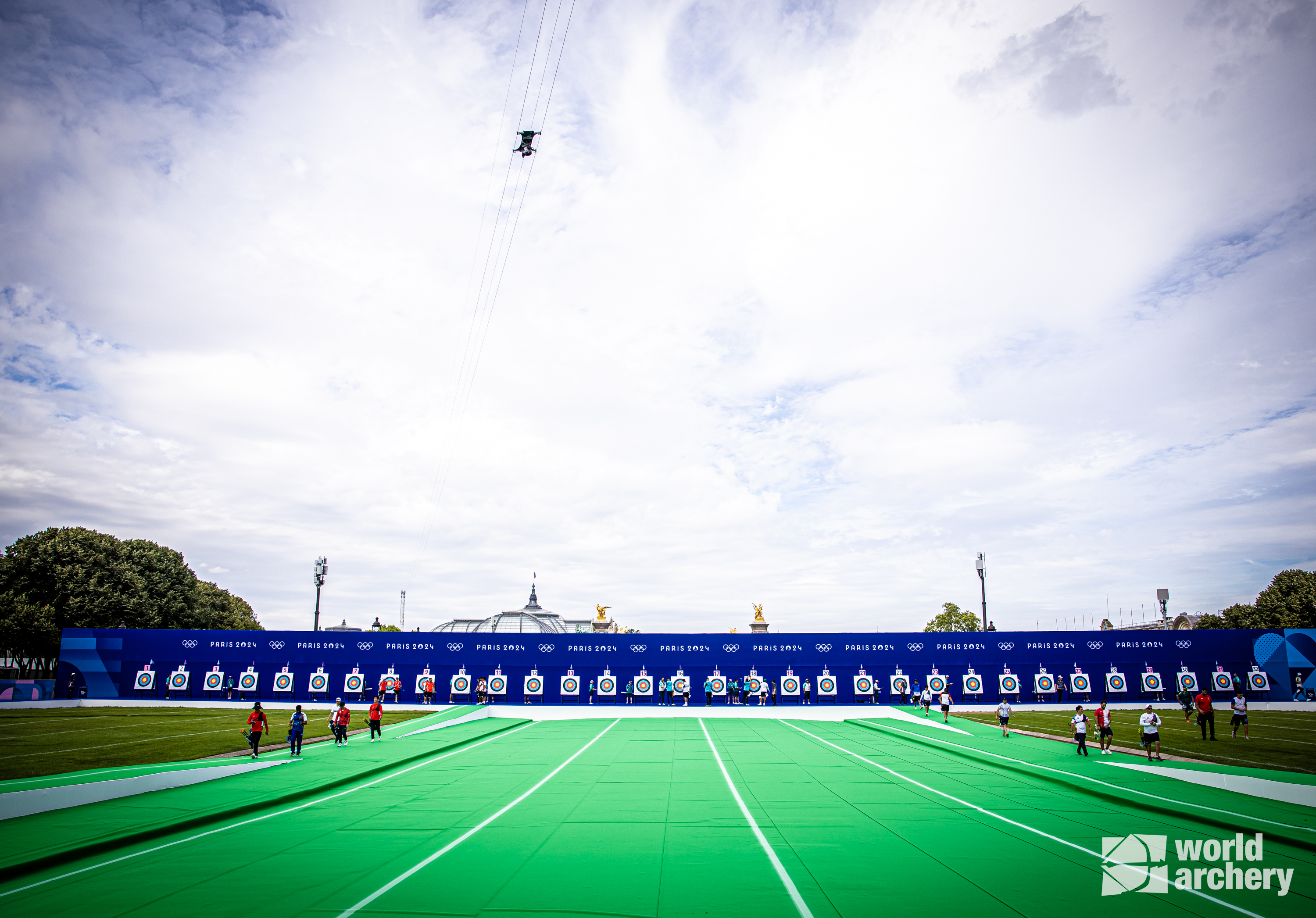
Image Source: startarchery.co.uk
The 70-Meter Mark: The Heart of Olympic Archery
The official archery target distance Olympics uses is not arbitrary. It has been the standard for decades and is crucial to the sport’s challenge and excitement. It tests not only archers’ skill but also their mental fortitude, adaptability to weather, and equipment precision.
A Consistent Standard Across the Olympic Games
The target distance Olympic games archery competitions utilize is consistent across all events, regardless of gender. This provides a level playing field where competitors’ skills and strategies are put to the ultimate test.
Olympic Archery Target: Decoding the Details
Beyond just the distance, the Olympic archery target dimensions and scoring zones are also vital to the competition’s structure.
Dimensions and Composition
- Target Face Diameter: 122 cm (approximately 48 inches)
- Material: Typically made of paper or synthetic material stretched over a firm backing like straw or foam.
- Color Zones: Concentric rings of different colors, each representing a different point value.
Scoring Zones: A Bullseye Breakdown
The target is divided into 10 concentric scoring zones. The Olympic archery target size is fixed, and these zones are colored and valued as follows:
| Color | Score |
|---|---|
| Gold | 10 & 9 |
| Red | 8 & 7 |
| Blue | 6 & 5 |
| Black | 4 & 3 |
| White | 2 & 1 |
The Bullseye: The innermost gold ring counts as 10 points. There’s also an inner 10 ring, often referred to as the “X,” used as a tie-breaker.
Regulation Archery Distance Olympics: Why 70 Meters?
Why is the regulation archery distance in the Olympics set at 70 meters? Several factors play a role:
- Skill Testing: 70 meters is a challenging distance that requires a high level of skill, precision, and consistency.
- Visibility: At this distance, the target is visible to spectators, making the competition more engaging.
- Safety: 70 meters provides a safe distance for both archers and spectators.
- Historical Significance: The 70-meter distance has become a tradition in archery, with roots dating back to earlier forms of the sport.
World Archery Target Distance: Aligning with Global Standards
World Archery, the international governing body for archery, sets the rules for Olympic archery. The World Archery target distance standards ensure consistency across all international competitions, including the Olympic Games.
The Role of World Archery
World Archery ensures that the rules are fair, consistent, and promote the development of archery worldwide. They standardize not just the distance but also the target dimensions, scoring system, and competition formats.
Archery Distance Competition Olympics: A Deep Dive into Event Formats
The Olympic archery competition features both individual and team events, but the archery distance competition Olympics requires remains consistent.
Individual Events
- Ranking Round: All archers shoot 72 arrows at the 70-meter target. This determines their seeding for the elimination rounds.
- Elimination Rounds: Archers compete in head-to-head matches. The higher-seeded archer faces the lower-seeded archer. Matches consist of sets, where each archer shoots three arrows per set. The archer with the higher score in the set wins two set points. The first archer to reach six set points wins the match.
- Finals: The remaining archers compete for the gold, silver, and bronze medals.
Team Events
- Ranking Round: The combined scores of the three team members in the individual ranking round determine the team’s seeding.
- Elimination Rounds: Teams compete in head-to-head matches. Each team member shoots two arrows per end, for a total of six arrows per end. The team with the higher score wins the end. The team with the highest cumulative score wins the match.
- Finals: The remaining teams compete for the gold, silver, and bronze medals.
Weather’s Impact on Olympic Archery at 70 Meters
At the archery target Olympics meters away, weather conditions can significantly impact an archer’s performance.
Wind
Wind is a constant challenge. It can cause arrows to drift off course. Archers must adjust their aim to compensate for the wind’s effect. Flags and wind streamers are used to gauge wind speed and direction.
Rain
Rain can affect the archer’s grip on the bow and the arrow’s trajectory. It can also impact visibility.
Temperature
Extreme temperatures can affect the archer’s physical comfort and equipment performance.
Equipment Used at Olympic Archery
To accurately hit the archery target Olympics meters away, archers use specialized equipment.
Recurve Bow
The recurve bow is the only type of bow allowed in Olympic archery. It’s a classic bow design with curved limbs.
Arrows
Arrows are made of carbon, aluminum, or a combination of both. They are fletched with vanes or feathers to stabilize their flight.
Sights
Sights are used to help archers aim more accurately. They can be adjusted for different distances and wind conditions.
Stabilizers
Stabilizers are used to reduce vibration and improve the bow’s balance.
Clicker
A clicker is a device that provides an audible signal when the archer has reached their optimal draw length.
Training for the 70-Meter Challenge
Reaching Olympic-level archery proficiency requires dedicated training.
Physical Training
Archers need to have strong upper body strength and endurance. They also need to develop their core stability and balance.
Mental Training
Mental focus and concentration are essential. Archers use techniques such as visualization and meditation to improve their mental game.
Technical Training
Archers spend countless hours practicing their form and technique. They work with coaches to identify and correct any flaws in their shot.
Equipment Tuning
Archers must carefully tune their equipment to ensure that it performs optimally. This includes adjusting the bow’s draw weight, arrow rest, and sight.
The Future of Olympic Archery Distance
The 70-meter distance is a long-standing tradition in Olympic archery. However, there are ongoing discussions about potential changes to the sport.
Potential Changes
Some proposals include:
- Different Target Sizes: Experimenting with different target sizes to make the competition more challenging or spectator-friendly.
- Shorter Distances: Reducing the distance to make the sport more accessible to beginners and increase the pace of competition.
- New Formats: Introducing new competition formats to make the sport more exciting for viewers.
Maintaining Tradition
Even as new ideas are explored, a deep-seated commitment to the sport’s heritage burns bright. The iconic 70-meter mark has become indelibly linked to Olympic archery, and a powerful consensus advocates for its continued presence on the competitive stage.
Grasping the Significance of Olympic Archery
The 70-meter distance represents a delicate balance between skill, tradition, and spectacle. It’s a test of precision, mental fortitude, and adaptability.
A Showcase of Skill
Olympic archery is a showcase of skill. Archers from around the world compete to demonstrate their mastery of the sport.
An Engaging Spectacle
Olympic archery is an engaging spectacle. The precision, tension, and drama of the competition make it a compelling event to watch.
A Celebration of Tradition
Olympic archery is a celebration of tradition. The sport has a rich history, and the 70-meter distance is a part of that history.
Table of Olympic Archery Essentials
| Element | Details |
|---|---|
| Archery Distance | 70 meters |
| Target Face Diameter | 122 cm (48 inches) |
| Scoring Zones | 10 concentric rings, valued from 1 to 10 (inner 10 is often called ‘X’ and used as a tie-breaker) |
| Bow Type | Recurve Bow Only |
| Competition Events | Individual and Team events |
| Governing Body | World Archery Federation (WA) |
| Weather Factors | Wind, rain, and temperature significantly impact performance |
Fathoming the Nuances of Scoring
The scoring system in Olympic archery seems simple, but nuances can significantly affect the outcome of a match.
The Importance of the ‘X’
As mentioned earlier, the inner 10 ring, or “X,” serves as a tie-breaker. If two archers or teams have the same score, the one with more “X” shots wins.
Reading the Scoreboard
Understanding the scoreboard is crucial for spectators. It displays the archers’ scores, set points, and cumulative scores.
The Pressure of a Perfect Score
The possibility of achieving a perfect score adds to the drama of the competition. A perfect score in a set or match can be a game-changer.
Deciphering Archer Strategies
Archers employ various strategies to excel at the 70-meter distance.
Aiming Techniques
Archers use different aiming techniques, such as gap shooting, string walking, and point-on aiming.
Wind Compensation
Archers must constantly adjust their aim to compensate for the wind. They use flags and wind streamers to gauge the wind’s effect.
Mental Strategies
Archers use mental strategies to stay focused and manage pressure. They use visualization, meditation, and positive self-talk.
Interpreting the Rules and Regulations
The rules and regulations of Olympic archery are complex and detailed.
Equipment Regulations
There are strict regulations regarding the equipment that archers can use. These regulations cover the bow, arrows, sights, stabilizers, and other accessories.
Dress Code
Archers must adhere to a strict dress code. They must wear clothing that is appropriate for the sport and does not provide any unfair advantage.
Code of Conduct
Archers are expected to adhere to a high code of conduct. They must respect their competitors, officials, and spectators.
FAQ: Delving Deeper into Olympic Archery
What is the distance of the archery target in the Olympics?
The archery target in the Olympics is 70 meters away.
Can I use any type of bow in Olympic archery?
No, only recurve bows are permitted in Olympic archery competitions.
Who is the governing body for Olympic archery?
World Archery is the international governing body that oversees archery competitions, including the Olympic Games.
What is the size of the archery target used in the Olympics?
The target has a diameter of 122 cm (48 inches).
What happens if there is a tie in Olympic archery?
Ties are broken by counting the number of inner-10 ring (X) shots. If still tied, a shoot-off may occur.
How does weather affect Olympic archery?
Weather conditions such as wind and rain can significantly impact arrow flight and visibility, requiring archers to adjust their aim and technique.
Are the distances different for men’s and women’s archery in the Olympics?
No, the distance is the same for both men’s and women’s events – 70 meters.
What are the scoring zones on an Olympic archery target?
The target has ten scoring zones, with colors progressing from white (1 point) to gold (10 points).
Is there a specific size requirement for the arrows used in Olympic archery?
Yes, there are regulations regarding arrow diameter and weight. These are set by World Archery.
What happens if an archer’s arrow hits the line between two scoring zones?
The arrow is awarded the higher of the two scores.

Hi, I’m Robert Contreras, a passionate archery instructor based in the USA. With years of experience under my belt, I’ve dedicated my life to mastering the art of archery and sharing its intricacies with enthusiasts of all levels. Through my website, 10Bows.com, I invite you to explore a treasure trove of tips, techniques, and personal insights that reflect my journey in the world of archery. Whether you’re picking up a bow for the first time or refining your skills, I’m here to help guide you toward precision, focus, and a deeper appreciation for this timeless sport.