Want to increase bow speed and arrow accuracy? This guide will walk you through bow tuning, form improvement, arrow selection, and more to help you achieve tighter groups and faster shots. Let’s get started!
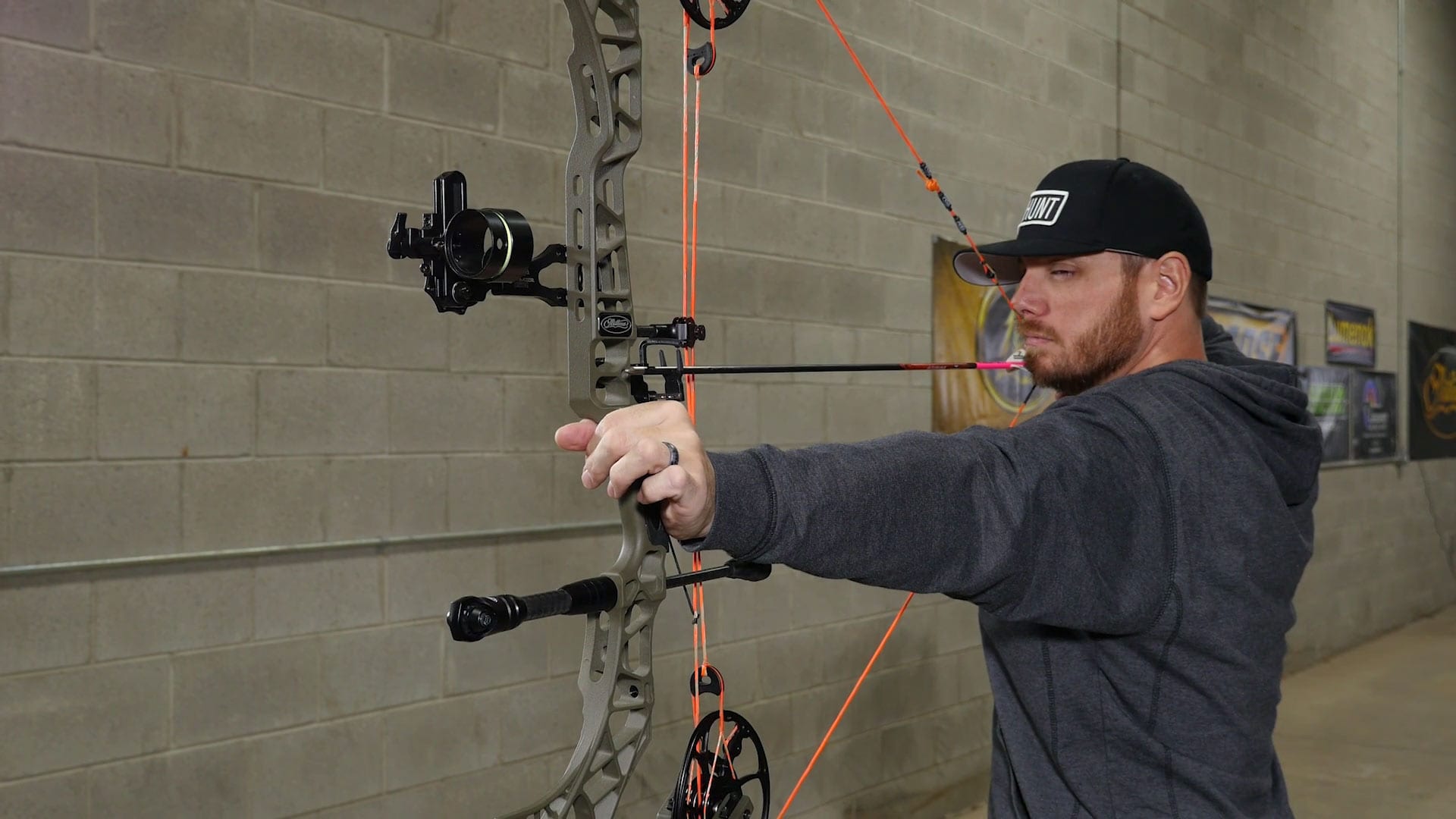
Image Source: www.bowhunting.com
Unlocking Potential: Bow Speed and Arrow Accuracy
Faster arrows and better accuracy are key for ethical hunting and higher scores in target archery. But achieving both requires careful attention to several areas. We’ll cover equipment setup, shooting form, and tuning strategies to maximize your bow’s performance.
Bow Mechanics: Foundation of Speed and Precision
Draw Weight: Finding the Sweet Spot
What is draw weight? Draw weight is the force, measured in pounds, needed to pull your bowstring back to your full draw length.
Increasing draw weight is a common way to boost bow speed. However, it’s crucial to choose a draw weight you can comfortably manage. An excessive draw weight can lead to poor form, inconsistent shots, and even injury. It’s better to shoot accurately with a lower draw weight than to struggle with a heavier one.
- Selecting Draw Weight: Choose a weight you can pull back smoothly and hold steady at full draw for several seconds without straining.
- Progressive Increase: If you want to increase your draw weight, do so gradually, in 5-pound increments, giving your muscles time to adapt.
- Professional Guidance: Consult with an archery pro shop to determine the optimal draw weight for your strength and shooting style.
Improve Bow Draw Cycle: Smooth and Efficient
Can I improve my bow’s draw cycle? Yes, a smoother draw cycle translates to better consistency and accuracy.
The draw cycle refers to the amount of force required throughout the draw stroke. A smooth draw cycle minimizes strain and allows for a more consistent release.
- Cam Design: Cam design is the primary factor influencing the draw cycle. Some bows have aggressive cams that require more force early in the draw, while others offer a smoother, more linear draw.
- String Stop Adjustment: Ensure the string stop is properly adjusted to dampen vibration without adding unnecessary resistance.
- Bow Maintenance: Regularly lubricate your cams and axles to reduce friction and maintain a smooth draw cycle.
Brace Height: The Balance Point
Brace height is the distance between the bowstring and the deepest part of the bow’s grip. Lower brace heights generally result in faster arrow speeds, but they can also be less forgiving of errors in your release. Higher brace heights are often more forgiving but may sacrifice some speed.
- Experimentation: Try different brace heights within the manufacturer’s recommended range to find what feels best for you.
- Tuning: Adjusting brace height can also fine-tune arrow flight and improve accuracy.
- Manufacturer Specifications: Always adhere to the brace height range specified by the bow manufacturer.
Bow Tuning for Speed and Accuracy: A Delicate Balance
How do I tune my bow for both speed and accuracy? Achieving the right balance is key to maximizing performance.
Bow tuning is the process of optimizing your bow’s performance by adjusting various components. A properly tuned bow will shoot arrows straight and accurately, with minimal vibration and noise.
- Paper Tuning: Shoot an arrow through paper and observe the tear. Adjust your rest until you achieve a bullet hole tear, indicating perfect arrow flight.
- Walk-Back Tuning: Shoot arrows at a target from increasing distances (e.g., 20, 30, 40 yards). Adjust your rest until your arrows consistently impact the same vertical line.
- Bare Shaft Tuning: Shoot fletched and unfletched arrows at the same target. Adjust your rest until the bare shaft impacts the target alongside the fletched arrows.
- Cam Timing and Synchronization: Ensure that your cams are timed and synchronized correctly. This involves making sure that both cams rotate at the same rate and reach full draw simultaneously.
- Limb Bolt Adjustment: Make small adjustments to the limb bolts to fine-tune draw weight and tiller (the difference in draw weight between the upper and lower limbs).
- Professionals: If you are uncomfortable performing these adjustments yourself, consult a qualified archery technician.
Arrow Selection: The Spine Matters
Arrow Spine Selection: Stiffness is Key
What is arrow spine? Arrow spine refers to the stiffness of the arrow shaft.
Arrow spine is one of the most crucial factors in arrow accuracy. An arrow with the wrong spine will flex excessively during the shot, leading to inconsistent arrow flight and poor accuracy.
- Spine Charts: Use a spine chart provided by the arrow manufacturer to determine the appropriate spine for your bow’s draw weight and draw length.
- Arrow Length: Ensure your arrows are the correct length for your draw length. Arrows that are too short or too long can affect spine and accuracy.
- Point Weight: The weight of your arrow point also affects spine. Heavier points require stiffer arrows.
- Material: Consider the material of the arrow (carbon, aluminum, or a composite). Carbon arrows are generally lighter and faster, while aluminum arrows are more durable and offer consistent spine.
| Arrow Material | Pros | Cons |
|---|---|---|
| Carbon | Lightweight, fast, consistent spine, durable | More expensive, can splinter if damaged |
| Aluminum | Durable, consistent spine, less expensive than carbon | Heavier than carbon, can bend more easily |
| Composite | Combination of carbon and aluminum, offering a balance of benefits | Can be more expensive than aluminum, performance varies by composition |
Arrow Weight: Speed vs. Kinetic Energy
Lighter arrows fly faster, but they also carry less kinetic energy. Heavier arrows are slower but retain more energy downrange.
- Hunting: For hunting, prioritize kinetic energy to ensure adequate penetration.
- Target Archery: For target archery, prioritize speed and flatter trajectory.
- FOC (Front of Center): FOC refers to the percentage of the arrow’s total weight that is located in the front half of the arrow. A higher FOC can improve arrow stability and accuracy, particularly in windy conditions.
Fletching: Guiding the Arrow
Fletching refers to the vanes or feathers on the back of the arrow that stabilize its flight.
- Size and Shape: The size and shape of your fletching can affect arrow speed and stability. Larger fletching provides more stabilization but also creates more drag, reducing speed.
- Material: Fletching can be made from plastic vanes or feathers. Vanes are more durable and weather-resistant, while feathers offer better steering and are often preferred for traditional archery.
- Helical vs. Offset: Helical fletching creates more spin on the arrow, improving stability. Offset fletching provides a moderate amount of spin and is a good compromise between speed and stability.
Mastering Form: The Human Element
Consistent Archery Form: The Foundation of Accuracy
How important is consistent archery form? Consistent form is crucial for predictable and repeatable results.
Consistent archery form is the single most important factor in achieving accuracy. Consistent form ensures that you are releasing the arrow the same way every time, minimizing variables that can affect arrow flight.
- Grip: Maintain a relaxed grip on the bow, avoiding excessive pressure. A tight grip can introduce torque, which can negatively affect arrow flight.
- Stance: Adopt a consistent stance, with your feet shoulder-width apart and your weight evenly distributed.
- Anchor Point: Establish a consistent anchor point, where you draw the string back to the same spot on your face every time.
- Draw Length: Ensure your draw length is properly set. A draw length that is too long or too short can negatively affect your form and accuracy.
- Archery Follow Through Technique: Maintain your form throughout the shot, even after the arrow has been released. A smooth follow-through helps to minimize movement and ensure a clean release.
Minimizing Bow Torque: Keeping it Straight
What is bow torque, and how can I reduce it? Bow torque is unwanted twisting of the bow during the shot. It severely impacts accuracy.
Bow torque is the twisting of the bow during the shot, which can significantly affect arrow accuracy.
- Grip: Use a relaxed grip to avoid applying excessive pressure to the bow.
- Wrist Sling: Use a wrist sling to prevent you from gripping the bow too tightly.
- Proper Stance: Maintain a balanced stance to avoid shifting your weight during the shot.
Sight Alignment Archery: Seeing is Believing
How does sight alignment affect archery accuracy? Proper sight alignment is critical for aiming accurately.
Proper sight alignment is essential for accurate aiming.
- Consistent Anchor Point: A consistent anchor point ensures that your sight picture is the same every time.
- Level Bow: Keep your bow level to avoid canting, which can cause your arrows to drift left or right.
- Target Focus: Focus on the target, not the sight pin.
Equipment Adjustments: Fine-Tuning for Precision
Arrow Rest Adjustment: Nock Point and Center Shot
How do I adjust my arrow rest for optimal accuracy? Precise arrow rest adjustment is vital for consistent arrow flight.
The arrow rest supports the arrow during the draw and release. Proper arrow rest adjustment is essential for achieving consistent arrow flight.
- Nock Point: Ensure that your nock point is properly set. The nock point is the point on the string where you attach the arrow nock.
- Center Shot: Adjust your arrow rest so that the arrow is centered over the bowstring.
- Drop-Away Rest: Consider using a drop-away rest, which drops out of the way during the shot, minimizing interference with arrow flight.
Sight Adjustments: Zeroing In
Adjust your sight pins to match your arrow trajectory at different distances.
- Start Close: Begin by sighting in at a close distance (e.g., 20 yards).
- Incremental Adjustments: Make small adjustments to your sight pins to fine-tune your accuracy at increasing distances.
- Windage and Elevation: Adjust both windage (left/right) and elevation (up/down) as needed.
Stabilizers: Reducing Vibration and Improving Balance
Stabilizers are weights that attach to the front of your bow to reduce vibration and improve balance.
- Length and Weight: Experiment with different lengths and weights to find what works best for you.
- Side Rods: Consider using side rods to further improve balance and stability.
Broadhead Tuning for Accuracy: Hunting Specific
Why is broadhead tuning important for hunting accuracy? Broadhead tuning ensures your hunting arrows fly true with broadheads attached.
Broadhead tuning is the process of ensuring that your arrows fly straight and accurately with broadheads attached. Broadheads can significantly affect arrow flight, so it’s essential to tune your bow specifically for them.
- Spin Test: Spin test your arrows to ensure that the broadhead is properly aligned with the shaft.
- Paper Tuning: Paper tune your arrows with broadheads attached.
- Field Point Comparison: Compare the impact point of your broadheads to your field points at various distances. Adjust your rest or arrow rest until they impact the same point.
- Mechanical vs. Fixed-Blade: Consider the type of broadhead you are using. Mechanical broadheads are more forgiving of tuning errors, while fixed-blade broadheads require more precise tuning.
Practice and Refinement: The Ongoing Journey
Regular Practice: Consistency is Key
Regular practice is essential for maintaining and improving your archery skills.
- Dry Firing: Avoid dry firing your bow (releasing the string without an arrow). Dry firing can damage your bow and void your warranty.
- Mental Game: Develop a strong mental game. Visualize successful shots and stay focused on your form.
Seek Professional Guidance: Learn from the Experts
Who is qualified to help me improve my archery skills? A certified archery coach can provide personalized instruction and guidance.
Consider taking lessons from a certified archery coach. A coach can provide personalized instruction and help you identify and correct any flaws in your form or technique.
Troubleshooting Accuracy Problems
- Inconsistent Groups: If your arrows are grouping inconsistently, check your form, draw length, and arrow spine.
- Arrows Drifting Left or Right: Adjust your arrow rest or sight pins. Also, check for bow torque.
- Arrows Hitting High or Low: Adjust your sight pins or nock point.
Frequently Asked Questions (FAQ)
What is the best way to increase my bow speed?
Increasing draw weight, using lighter arrows, and optimizing cam timing are all effective ways to increase bow speed.
Can I improve my archery accuracy on my own?
Yes, with diligent practice and attention to form, you can significantly improve your archery accuracy.
Who is the best person to ask about arrow selection?
A qualified archery technician at a pro shop can help you select the appropriate arrow spine and weight for your bow and shooting style.
How often should I tune my bow?
You should tune your bow whenever you change your equipment or notice a change in arrow flight.
What are some common mistakes that affect archery accuracy?
Common mistakes include inconsistent form, improper grip, incorrect draw length, and poor sight alignment.

Hi, I’m Robert Contreras, a passionate archery instructor based in the USA. With years of experience under my belt, I’ve dedicated my life to mastering the art of archery and sharing its intricacies with enthusiasts of all levels. Through my website, 10Bows.com, I invite you to explore a treasure trove of tips, techniques, and personal insights that reflect my journey in the world of archery. Whether you’re picking up a bow for the first time or refining your skills, I’m here to help guide you toward precision, focus, and a deeper appreciation for this timeless sport.