Want to learn archery? You absolutely can! Archery, the art of propelling arrows with the aid of a bow, is an enjoyable and rewarding skill. This comprehensive guide provides everything you need to know to get started, covering archery basics, equipment, techniques, and archery training tips for beginners.
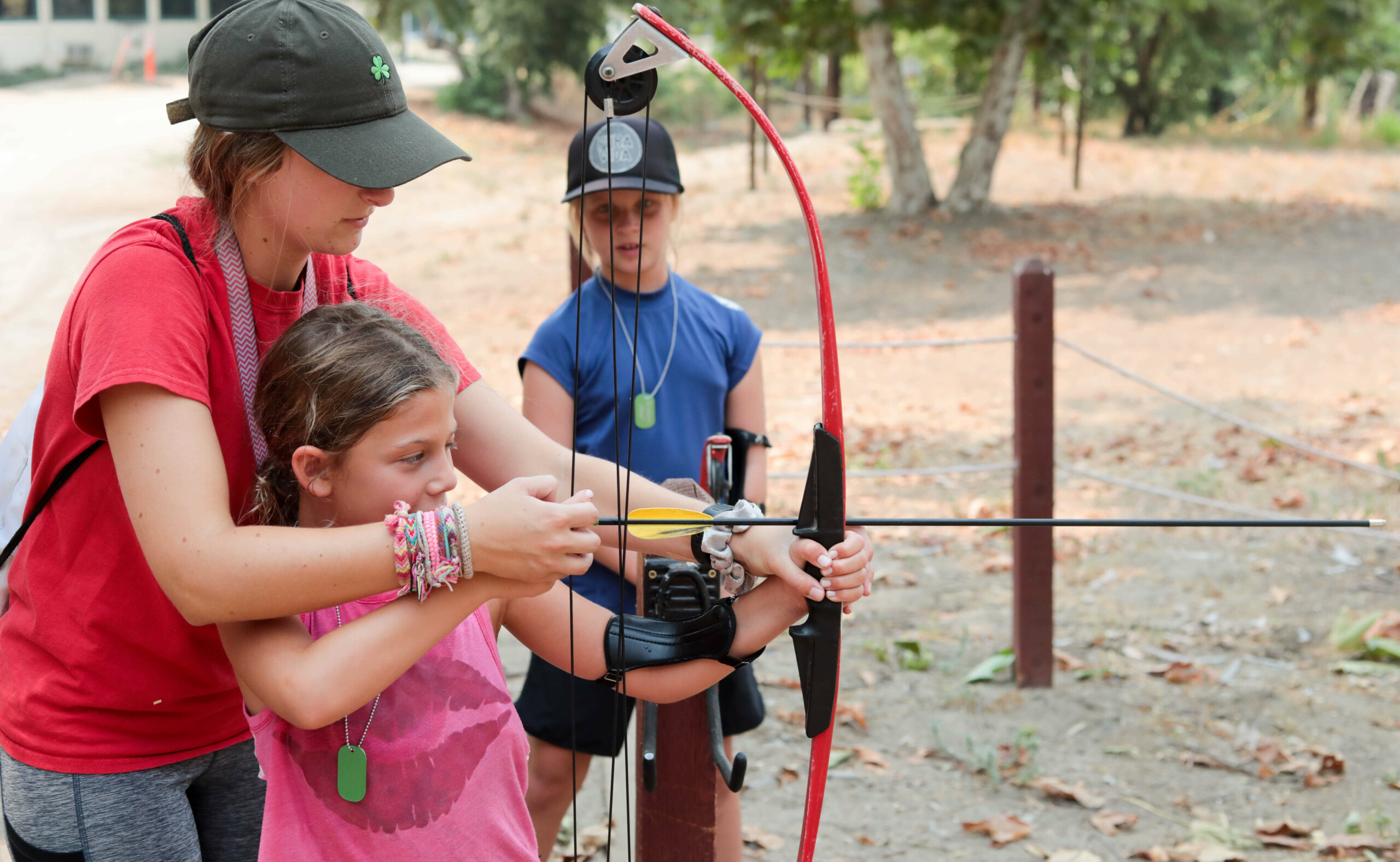
Image Source: wondervalleyoe.com
Getting Started with Archery Basics
Before you start flinging arrows, it’s important to have a firm grasp of some archery basics.
Understanding the Core Principles
Archery involves using a bow to shoot arrows at a target. Success depends on good shooting form, consistency, and understanding your equipment. Key concepts include:
- Stance: How you stand when shooting.
- Grip: How you hold the bow.
- Draw: Pulling the bowstring back.
- Anchor Point: Where you consistently place your drawing hand.
- Release: Letting go of the bowstring.
- Follow-Through: Maintaining your form after the release.
Safety First
Archery is generally safe, but following safety rules is crucial:
- Always point your arrow in a safe direction.
- Never dry-fire a bow (releasing the string without an arrow). This can damage the bow and injure you.
- Ensure the area downrange is clear before shooting.
- Inspect your equipment regularly for wear and tear.
Choosing Your Archery Equipment
Selecting the right archery equipment is vital for a successful start. Here’s a breakdown of the essentials:
Types of Bows
Several types of bows are available, each with its unique characteristics:
- Recurve Bow: A classic bow with limbs that curve away from the archer when unstrung. Recurve bows are used in Olympic archery.
- Compound Bow: A modern bow using cams or pulleys to reduce the draw weight at full draw, making it easier to hold and aim.
- Longbow: A traditional bow, typically made from a single piece of wood, that is as tall as the archer.
Recurve Bow: Pros and Cons
| Pros | Cons |
|---|---|
| Simple design | Requires more strength |
| Lightweight and easy to handle | Steeper learning curve |
| Used in Olympic archery | Can be less accurate initially |
Compound Bow: Pros and Cons
| Pros | Cons |
|---|---|
| Easier to hold at full draw | More complex and expensive |
| More accurate | Heavier and bulkier |
| Greater arrow speed | More maintenance required |
Longbow: Pros and Cons
| Pros | Cons |
|---|---|
| Traditional and historical significance | Requires significant practice |
| Simple design | Less forgiving than other bow types |
| Relatively quiet shooting | Lower arrow speed compared to compound |
Essential Archery Equipment
Besides the bow, you’ll need these essential items:
- Arrows: Choose arrows that match your bow’s draw weight and your draw length.
- Armguard: Protects your forearm from the bowstring.
- Finger Tab or Glove: Protects your fingers when drawing the string (for recurve and longbow).
- Bow Sight (optional): Helps with aiming.
- Quiver: Holds your arrows.
- Target: A safe backstop to shoot at.
Choosing the Right Arrows
Arrows are not one-size-fits-all. They need to match your bow’s draw weight and your draw length. Key factors to consider:
- Spine: The stiffness of the arrow shaft.
- Length: The correct arrow length for your draw length.
- Material: Common materials include carbon, aluminum, and wood.
Purchasing Your Gear
Visit a reputable archery shop for expert advice on selecting the right equipment. They can help you determine your draw length, draw weight, and arrow spine.
Mastering Archery Techniques
Proper archery techniques are crucial for accuracy and consistency.
Proper Stance
Your stance is the foundation of your shot. Here’s a common stance:
- Stand perpendicular to the target line.
- Your feet should be shoulder-width apart.
- Distribute your weight evenly.
The Grip
A consistent grip is vital. Avoid gripping the bow too tightly:
- Hold the bow lightly in the web of your hand.
- Your knuckles should be at a 45-degree angle.
- Your bow hand should be relaxed.
Drawing the Bow
Drawing the bow smoothly is essential for accuracy:
- Keep your shoulders down and relaxed.
- Use your back muscles to draw the string.
- Pull the string towards your anchor point.
Anchor Point
Your anchor point is a consistent reference point on your face:
- Bring your drawing hand to the same spot on your face every time.
- Common anchor points include the corner of your mouth or your cheekbone.
- Consistency is key.
Releasing the Arrow
A clean release is crucial for a good shot:
- Release the string smoothly without plucking or jerking.
- Let your fingers relax.
- Focus on the target.
Follow-Through
Your follow-through helps maintain your form after the release:
- Keep your drawing hand at your anchor point for a moment after the release.
- Maintain your focus on the target.
- Don’t anticipate the shot.
Archery Training for Beginners
Consistent archery training is essential for improvement. Here’s how to structure your training:
Starting Slow
Begin with short practice sessions and gradually increase the duration. It’s better to shoot a few arrows with good form than many arrows with poor form.
Archery Practice Drills
Incorporate these archery practice drills into your training:
- Blank Bale Shooting: Shooting at a blank target to focus on your form without worrying about aiming.
- Distance Progression: Start shooting at a close target and gradually increase the distance as you improve.
- Grouping Drills: Focus on shooting tight groups of arrows.
- Mental Rehearsal: Visualize yourself shooting perfect shots.
Getting Archery Lessons
Consider taking archery lessons from a qualified instructor. A good instructor can provide personalized feedback and help you correct any form issues.
Joining an Archery Club
Joining an archery club offers many benefits:
- Access to facilities and equipment.
- Opportunities to learn from experienced archers.
- A supportive community.
- Competitive opportunities.
Archery Tips for Improvement
Here are some additional archery tips to help you improve:
- Stay Relaxed: Tension can negatively affect your shot.
- Breathe Properly: Control your breathing to steady your aim.
- Focus on the Process: Don’t get too caught up in the results.
- Be Patient: Archery takes time and practice.
- Have Fun: Enjoy the process of learning and improving.
Maintaining Your Archery Equipment
Regular maintenance will keep your archery equipment in good condition and extend its lifespan.
Bow Maintenance
- Inspect the bow regularly for cracks, splinters, or damage.
- Keep the bowstring waxed to prevent fraying.
- Store the bow in a cool, dry place.
Arrow Maintenance
- Check the arrows for straightness and damage.
- Replace any damaged fletchings.
- Ensure the nocks are securely attached.
String Maintenance
- Wax the string regularly to protect it from wear.
- Replace the string when it shows signs of fraying or damage.
Safety Measures
Archery safety is paramount. Always follow these guidelines:
- Establish a safe shooting range.
- Ensure a clear backstop.
- Never shoot arrows straight up in the air.
- Supervise children closely.
- Use proper safety equipment.
Advancing Your Archery Skills
Once you’ve mastered the basics, there are many ways to further develop your archery skills:
Trying Different Archery Styles
Explore different archery styles, such as:
- Target Archery: Shooting at targets at known distances.
- Field Archery: Shooting at targets in a natural outdoor setting.
- 3D Archery: Shooting at life-sized animal targets.
Competing in Archery Tournaments
Participating in archery tournaments is a great way to test your skills and meet other archers.
Coaching and Mentoring
Consider becoming an archery coach or mentor to share your knowledge and help others learn the sport.
Frequently Asked Questions (FAQ)
-
What is the best type of bow for a beginner? The best bow depends on your goals and preferences. Recurve bows are good for learning the basics, while compound bows are easier to hold at full draw.
-
Can I learn archery at any age? Yes, archery is a sport that can be enjoyed by people of all ages.
-
Who is eligible to teach archery? A certified archery instructor is the most qualified person to teach archery, offering structured lessons and safety guidance.
-
What equipment do I need to start archery? You’ll need a bow, arrows, armguard, finger tab or glove, quiver, and a target.
-
How often should I practice archery? Practicing 2-3 times a week is a good starting point.
-
What are the benefits of archery? Archery can improve your focus, discipline, and physical fitness. It’s also a fun and rewarding hobby.
-
Where can I find archery lessons? Check with local archery shops, clubs, and community centers for archery lessons.
-
What is “draw weight” in archery? Draw weight is the force, measured in pounds (lbs), required to pull a bowstring to a specific draw length. It determines how much effort is needed to draw the bow.
-
What is “draw length” in archery? Draw length is the distance, usually measured in inches, from the bow’s grip to the point where the string is fully drawn. It’s a crucial measurement for selecting the correct arrow length and bow setup.
Embark on your archery adventure armed with patience, a commitment to practice, and unwavering dedication. This guide will set you firmly on the path to becoming a masterful archer. Keep safety paramount, infuse your practice with enjoyment, and savor the profound rewards of this timeless discipline.

Hi, I’m Robert Contreras, a passionate archery instructor based in the USA. With years of experience under my belt, I’ve dedicated my life to mastering the art of archery and sharing its intricacies with enthusiasts of all levels. Through my website, 10Bows.com, I invite you to explore a treasure trove of tips, techniques, and personal insights that reflect my journey in the world of archery. Whether you’re picking up a bow for the first time or refining your skills, I’m here to help guide you toward precision, focus, and a deeper appreciation for this timeless sport.