Want to compete in Olympic archery? The path to the Olympics is a long and challenging one, involving high scores, consistent performance, and meeting specific criteria set by World Archery and your National Archery Federation. This guide will help you understand what it takes to achieve your Olympic dream.
Image Source: img.olympics.com
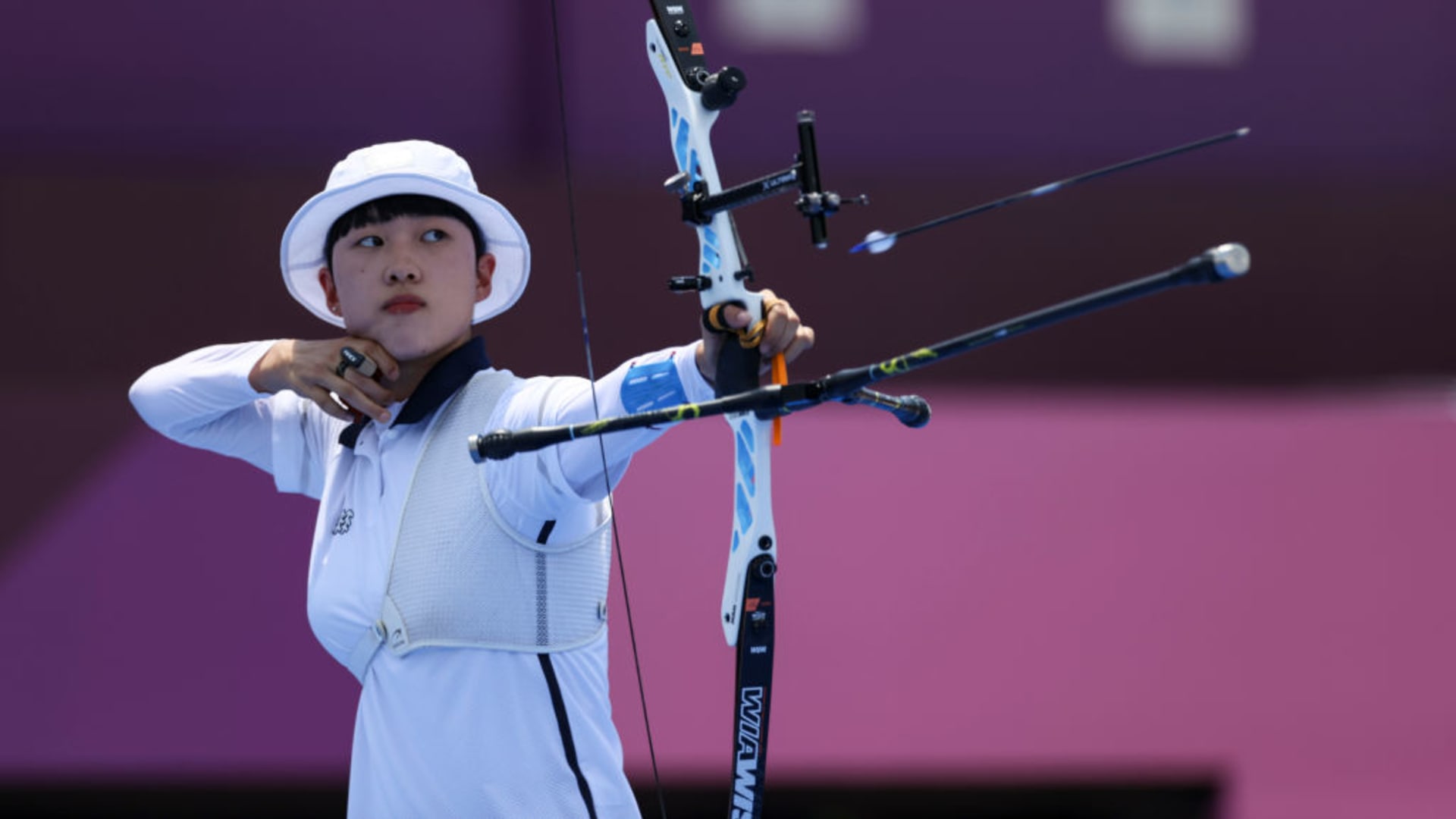
The Dream: Becoming an Olympic Archer
The Olympic Games represent the pinnacle of athletic achievement. For archers, the opportunity to represent their country on the world’s biggest stage is a goal worth striving for. But what does it take to transform that dream into reality? It requires dedication, skill, and a strategic approach to the archery qualification standards. This guide provides a roadmap for navigating the complex world of Olympic archery requirements.
Leveling Up: Archery Competition Levels
Before aiming for the Olympics, you need to climb the ladder of archery competition levels.
Local and Regional Tournaments
- Local Clubs: This is where most archers begin. These competitions are great for learning and gaining experience.
- Regional Events: These events pit archers from a wider geographical area against each other, offering a step up in competition.
National Championships
- National Tournaments: These are pivotal events organized by National Archery Federations. High rankings here can lead to opportunities for international events.
- Selection Shoots: Some nations use specific selection shoots to identify potential Olympic team members. Performance at these events is vital.
International Competitions
- World Archery Events: Tournaments sanctioned by World Archery (WA), the international governing body, such as World Cups, World Championships, and Continental Championships, offer crucial ranking points and opportunities to qualify for the Olympics.
- Continental Championships: These events provide another route to qualification for archers from specific regions.
Understanding the Qualification System
The olympic archery selection process is multi-layered, involving individual quotas for nations and places allocated based on team performance.
Quota Places: What They Are
Each country can earn a limited number of quota places for the Olympic Games. A quota place isn’t assigned to an individual archer, but to the nation. The national archery federations then determine which archers will fill those spots based on their selection criteria.
How Nations Earn Quota Places
Quota places are primarily earned through:
- World Archery Championships: The top-ranked teams and individual archers at the World Championships secure quota places for their nations.
- Continental Championships: The highest-ranked archers from each continent (who haven’t already qualified) earn quota places.
- Final Qualification Tournament: A final tournament is held shortly before the Olympics, providing a last chance for nations to secure quota places.
- Host Nation: The host nation is automatically granted a certain number of quota places.
Allocation of Places
| Qualification Event | Type | Allocation Method |
|---|---|---|
| World Archery Championships | Team/Indiv. | Top-ranked teams and individuals secure quotas |
| Continental Championships | Indiv. | Top archers from each continent get quotas |
| Final Qualification Tournament | Team/Indiv. | Last chance for nations to qualify |
| Host Nation | Team/Indiv. | Automatic quota places |
The Olympic Archery Ranking System
The olympic archery ranking system plays a significant role in qualification, particularly for individual spots.
How Rankings are Calculated
World Archery maintains an official ranking list. Archers earn points based on their performance at WA-sanctioned events. The higher the event’s level and the better the archer’s finish, the more points they earn.
Ranking Impact on Qualification
A high ranking can help an archer secure a spot for their nation if their country has earned a quota place. National federations often consider world rankings as part of their selection process.
Achieving Olympic Archery Requirements
The path to Olympic qualification involves meeting specific archery qualification standards. These standards relate to both technical skills and performance in competition.
Minimum Qualifying Scores (MQS)
World Archery sets Minimum Qualifying Scores (MQS) for archers to be eligible for the Olympic Games. Archers must achieve these scores at specific events within a defined period. This ensures a baseline level of competence among all participants.
National Federation Requirements
Besides the MQS, each national archery federation has its own specific requirements that archers must meet to be considered for Olympic selection. These might include:
- Minimum scores in national tournaments
- Attendance at training camps
- Meeting fitness standards
- Demonstrating commitment to the sport
Adhering to Anti-Doping Regulations
All Olympic athletes must adhere to the World Anti-Doping Agency (WADA) code. This includes undergoing drug testing and avoiding prohibited substances. A violation can result in disqualification and a ban from the sport.
Olympic Archery Selection Process: A Closer Look
The exact olympic archery selection process varies from country to country, but it generally involves the following steps:
- Meeting Minimum Standards: Archers must first meet the MQS set by World Archery.
- Competing in Selection Events: National federations hold selection tournaments to evaluate archers.
- Performance Evaluation: A selection committee assesses archers based on their scores, consistency, mental fortitude, and teamwork.
- Team Announcement: The national federation announces the team that will represent the country at the Olympic Games.
Developing Your Skills: Archery Training for Olympics
Archery training for olympics demands a comprehensive approach that covers technical skills, physical conditioning, and mental preparation.
Technical Training
- Form and Technique: Work with a qualified coach to develop and refine your shooting form.
- Equipment Tuning: Optimize your bow, arrows, and accessories for maximum accuracy and consistency.
- Shooting Drills: Practice various shooting drills to improve specific aspects of your technique.
Physical Conditioning
- Strength Training: Build strength in your core, back, and shoulders to maintain stability and control.
- Endurance Training: Improve your stamina to withstand the physical demands of long training sessions and competitions.
- Flexibility and Mobility: Enhance your range of motion to prevent injuries and improve your shooting form.
Mental Preparation
- Visualization: Practice visualizing successful shots and competition scenarios.
- Mindfulness and Meditation: Develop techniques to stay calm and focused under pressure.
- Sports Psychology: Work with a sports psychologist to develop mental strategies for optimal performance.
Investing in Your Future: Elite Archery Programs
Elite archery programs provide aspiring Olympians with access to top-notch coaching, training facilities, and support services.
National Training Centers
Many countries have national training centers where elite archers can train full-time. These centers offer state-of-the-art facilities, experienced coaches, and access to sports science support.
Scholarship Opportunities
Some universities and organizations offer scholarships to talented archers. These scholarships can help offset the costs of training and competition.
Sponsorships
As you progress in your archery career, you may be able to attract sponsorships from archery equipment manufacturers and other companies. Sponsorships can provide financial support and equipment.
Measuring Success: Archery Performance Metrics
Tracking your progress is essential for identifying areas for improvement. Several archery performance metrics can help you assess your performance.
Average Score Per End
This metric measures your average score for each set of arrows you shoot. Tracking this over time can reveal trends in your consistency.
Group Size
Measuring the size of your arrow groupings indicates your accuracy. Smaller groupings mean greater precision.
Consistency Over Time
Consistency is key in archery. Track your scores over multiple training sessions and competitions to assess your ability to perform consistently under pressure.
Heart Rate Variability (HRV)
HRV measures the variation in time between heartbeats. It can provide insights into your stress levels and recovery status.
Expert Guidance: Working with Coaches and Mentors
Coaches and mentors play a crucial role in an archer’s development.
Finding the Right Coach
Look for a coach who has experience working with elite archers and who understands the demands of Olympic-level competition.
Mentorship Programs
Seek out mentorship from experienced archers who have competed at the highest levels. They can provide valuable advice and guidance.
The Role of National Archery Federations
National archery federations are essential for supporting and developing archery in their respective countries.
Programs and Resources
They provide programs and resources for archers of all levels, from beginners to elite athletes.
Governing Body
They govern the sport of archery within their country and enforce rules and regulations.
Olympic Pathway
They play a key role in identifying and developing potential Olympic archers.
Maintaining Focus: The Mental Game
Mental strength is just as important as physical skill.
Coping with Pressure
Learn techniques for managing stress and pressure during competitions.
Building Confidence
Develop a strong belief in your abilities and maintain a positive attitude.
Dealing with Setbacks
Learn how to bounce back from mistakes and setbacks.
The Journey: Becoming an Olympic Archer
Becoming an olympic archer requires years of dedication, hard work, and perseverance. There will be challenges and setbacks along the way, but if you stay focused on your goals and never give up, you can achieve your Olympic dream.
FAQ: Your Olympic Archery Questions Answered
-
What is the minimum age to compete in Olympic archery?
There is no set minimum age, but archers must be skilled and meet the qualifying standards. Usually, participants are at least 16 years old. -
Can I qualify for the Olympics as an individual, even if my country doesn’t have a team?
Yes, individuals can qualify based on their performance at World Archery events and Continental Championships. -
Who is responsible for selecting the archers who represent a country at the Olympics?
The national archery federations are responsible for selecting their Olympic teams. -
What are some examples of elite archery programs?
Many countries have national training centers or high-performance programs that provide specialized coaching and support. Examples include the US Olympic Training Center and similar programs in Europe and Asia. -
How important are archery performance metrics in Olympic training?
Archery performance metrics are extremely important. They provide valuable data that coaches and archers can use to track progress, identify weaknesses, and optimize training. -
What happens if there is a tie in the Olympic archery competition?
Ties are broken using a tie-breaker system, typically involving a shoot-off where archers shoot one arrow each, and the arrow closest to the center wins. -
Are there any specific medical or physical olympic archery requirements?
Yes, archers must pass medical evaluations to ensure they are fit to compete. There are also physical standards that they must meet to handle the demands of training and competition.

Hi, I’m Robert Contreras, a passionate archery instructor based in the USA. With years of experience under my belt, I’ve dedicated my life to mastering the art of archery and sharing its intricacies with enthusiasts of all levels. Through my website, 10Bows.com, I invite you to explore a treasure trove of tips, techniques, and personal insights that reflect my journey in the world of archery. Whether you’re picking up a bow for the first time or refining your skills, I’m here to help guide you toward precision, focus, and a deeper appreciation for this timeless sport.