What is the best way to sight in a compound bow with a 3-pin sight? The most effective method involves a systematic approach, starting with a proper bow setup, establishing a consistent anchor point, and then making incremental compound bow sight adjustment based on your arrow impact at various distances. This article guides you through each step to improve your compound bow accuracy and ensure your 3 pin sight setup is dialed in.
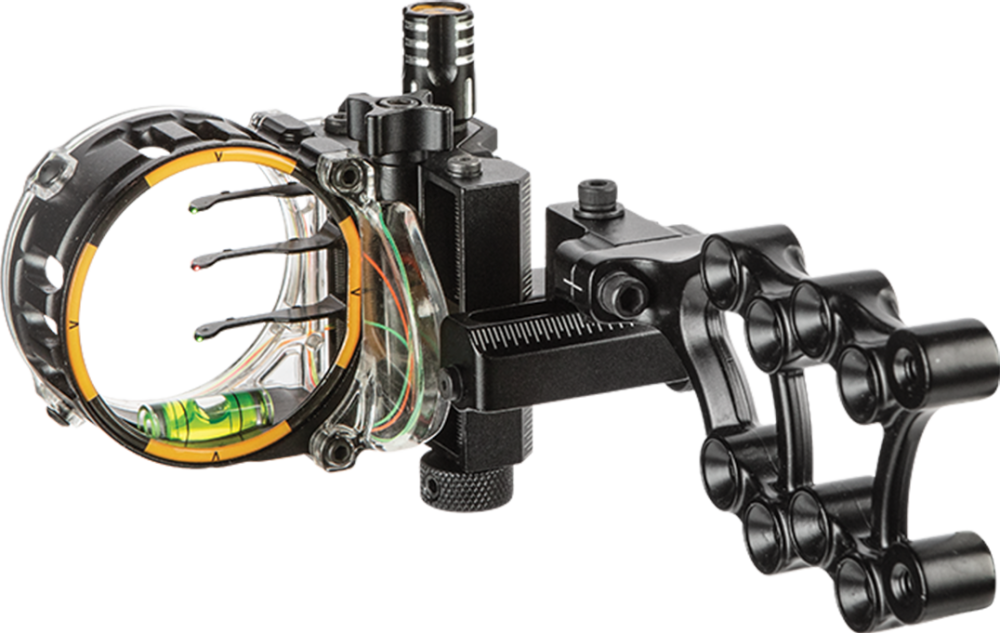
Image Source: www.beararchery.com
Getting Ready: Setting Up Your Bow and Yourself
Before you even think about bow sight calibration, ensure your bow is properly tuned and that your form is consistent. This is the foundation for accurate shooting.
Bow Tuning Basics for Beginners
Bow tuning is the process of optimizing your bow’s performance for accuracy. A properly tuned bow will shoot arrows straighter and more consistently. Neglecting this crucial step can lead to frustration and inaccurate shots, regardless of how well you adjust your sights.
- Check the draw weight and length: Make sure they are appropriate for your body and shooting style.
- Inspect the cams: Ensure they are synchronized. Uneven cams will cause inconsistent arrow flight.
- Examine the string and cables: Look for wear and tear. Replace them if necessary.
- Verify center shot: This is the horizontal alignment of your arrow rest. Adjust it until your arrow lines up with the string.
- Paper tuning: This process involves shooting an arrow through paper and observing the tear. The tear pattern indicates how your bow is shooting. Adjust your rest until you achieve a bullet hole tear (a small, clean hole).
- Walk-back tuning: Shoot an arrow from 20 and 30 yards, aiming at the same spot. If your arrows group left or right, adjust your rest until they group vertically.
Achieving Consistent Form: The Key to Accuracy
Consistent form is vital. Without it, your shots will be erratic, making bow sight calibration a nightmare.
- Stance: Stand with your feet shoulder-width apart, perpendicular to the target.
- Grip: Hold the bow lightly, avoiding torquing it. A relaxed grip allows the bow to naturally settle.
- Anchor point: Find a consistent anchor point on your face. This is where you draw the string to each time before releasing the arrow. Common anchor points include the corner of your mouth or the side of your nose.
- Draw: Pull the string back smoothly and steadily, engaging your back muscles.
- Release: Release the string smoothly and consistently, avoiding any plucking or punching. Follow through with your hand towards the target.
Choosing Your Distances and Sight Pins
A standard 3 pin sight setup is usually configured for short, medium, and long ranges. Choosing these ranges wisely will significantly improve your shooting experience.
Selecting Appropriate Distances
- Consider your hunting style: If you primarily hunt from tree stands at close range, your distances should reflect that.
- Start with common ranges: A good starting point is 20, 30, and 40 yards.
- Account for your skill level: If you’re new to archery, start with shorter distances and gradually increase them as your skills improve.
Understanding Pin Gaps
Pin gaps refer to the vertical distance between your sight pins. As distance increases, the gap between your pins will also increase. These gaps vary depending on your bow’s speed and arrow weight. There are several ways to address this.
- Bow Speed: A faster bow will result in smaller pin gaps because the arrow drops less over a given distance.
- Arrow Weight: Heavier arrows drop more quickly than lighter arrows, leading to larger pin gaps.
- Sight Tape: Many modern sights allow for the use of sight tapes. Once you calibrate two pins, the tape will estimate the proper adjustments for other distances.
The Sighting Process: Step-by-Step Guide
Now, let’s dive into the actual sighting process. This is where you’ll fine-tune your bow sight calibration to achieve optimal compound bow accuracy.
Step 1: Setting Your First Pin (Typically 20 Yards)
- Set up your target: Place your target at 20 yards.
- Shoot a group of arrows: Aim at the center of the target and shoot at least three arrows.
- Observe your arrow impact: Determine where your arrows are grouping.
- Adjust your sight:
- If your arrows are grouping high, move your sight housing up.
- If your arrows are grouping low, move your sight housing down.
- If your arrows are grouping left, move your sight housing to the left.
- If your arrows are grouping right, move your sight housing to the right.
- Make small adjustments: Compound bow sight adjustment should be incremental. One click at a time is usually sufficient.
- Repeat the process: Shoot another group of arrows and observe your arrow impact. Continue making adjustments until your arrows are consistently hitting the center of the target.
Table 1: Adjusting Your Sight Based on Arrow Impact
| Arrow Impact | Adjustment Direction | Action |
|---|---|---|
| High | Up | Move sight up |
| Low | Down | Move sight down |
| Left | Left | Move sight left |
| Right | Right | Move sight right |
Step 2: Setting Your Second Pin (Typically 30 Yards)
- Set up your target: Place your target at 30 yards.
- Shoot a group of arrows: Aim at the center of the target using your second pin.
- Observe your arrow impact: Determine where your arrows are grouping in relation to the bullseye.
- Adjust your second pin:
- Loosen the set screw on your second pin.
- Move the pin up or down until it aligns with where your arrows are impacting.
- Tighten the set screw.
- Repeat the process: Shoot another group of arrows and observe your arrow impact. Continue making adjustments until your arrows are consistently hitting the center of the target at 30 yards.
Step 3: Setting Your Third Pin (Typically 40 Yards)
- Set up your target: Place your target at 40 yards.
- Shoot a group of arrows: Aim at the center of the target using your third pin.
- Observe your arrow impact: Identify where your arrows are landing relative to your aiming point.
- Adjust your third pin:
- Loosen the set screw on your third pin.
- Move the pin up or down until it aligns with where your arrows are impacting.
- Tighten the set screw.
- Repeat the process: Shoot another group of arrows and observe your arrow impact. Continue making adjustments until your arrows are consistently hitting the center of the target at 40 yards.
Fine-Tuning: Achieving Perfect Groups
Once you’ve set all three pins, it’s time to fine-tune your bow sight calibration.
- Shoot at various distances: Practice shooting at distances between your set pins to get a feel for the trajectory of your arrows.
- Make small adjustments: As you shoot, make small adjustments to your pins as needed.
- Consider using a sight tape: A sight tape can help you accurately estimate the correct pin settings for distances between your set pins.
Troubleshooting Common Issues
Even with a careful setup, you might encounter issues. Here’s how to troubleshoot some common problems.
Arrows Consistently Grouping Left or Right
- Check your center shot: Ensure your arrow rest is properly aligned.
- Inspect your grip: Avoid torquing the bow.
- Consider your release: Ensure you’re releasing the string smoothly.
Arrows Consistently Grouping High or Low
- Verify your anchor point: Ensure you’re consistently anchoring at the same spot.
- Check your peep sight height: An incorrectly positioned peep sight can affect your vertical point of impact.
- Evaluate your draw length: A draw length that’s too long or too short can cause vertical inconsistencies.
Inconsistent Arrow Flight
- Check your arrow spine: Ensure your arrows are properly spined for your bow’s draw weight and length.
- Inspect your fletchings: Damaged fletchings can cause erratic arrow flight.
- Examine your bow for loose components: Loose screws or bolts can affect your bow’s performance.
Advanced Techniques for Improving Accuracy
Once you’ve mastered the basics, consider these advanced techniques to further enhance your compound bow accuracy.
Using a Rangefinder
A rangefinder can help you accurately determine the distance to your target, which is crucial for selecting the correct pin.
- Practice using your rangefinder: Become familiar with its operation and learn how to quickly and accurately range your target.
- Consider the angle: When shooting from an elevated position, such as a tree stand, use an angle-compensating rangefinder to get an accurate horizontal distance.
Shooting in Different Weather Conditions
Weather conditions can significantly impact your arrow flight.
- Wind: Wind can cause your arrows to drift. Learn to compensate for wind by aiming slightly upwind of your target.
- Rain: Rain can affect your grip and string. Use a bow sling to keep your bow dry and maintain a consistent grip.
- Temperature: Temperature changes can affect your bow’s performance. Re-sight your bow if you experience significant temperature changes.
Mental Preparation and Focus
Your mental state can have a significant impact on your shooting performance.
- Visualize your shot: Before each shot, visualize the arrow hitting the center of the target.
- Focus on your breathing: Take slow, deep breaths to calm your nerves and improve your concentration.
- Maintain a positive attitude: Believe in your abilities and focus on the process, not the outcome.
Final Thoughts on Achieving Compound Bow Accuracy
Mastering compound bow shooting with a 3-pin sight takes time, patience, and consistent practice. By following the steps outlined in this guide, you can improve your compound bow accuracy and enjoy the rewards of successful archery. Remember, bow tuning for beginners is just as important as understanding compound bow shooting technique. Keep practicing, stay focused, and never stop learning!
Frequently Asked Questions (FAQ)
Q: How often should I re-sight my compound bow?
A: You should re-sight your compound bow at least once a year, or whenever you notice a significant change in your arrow impact. Factors like changing strings, arrows, or draw weight can affect your bow’s performance and require compound bow sight adjustment.
Q: Can I use a 3-pin sight for hunting?
A: Yes, a 3-pin sight is an excellent option for hunting, especially in situations where you anticipate shots at multiple distances. A 3 pin sight setup provides quick target acquisition at pre-determined ranges.
Q: What is the best way to zero bow sight in different lighting conditions?
A: Sight in your bow in lighting conditions similar to those you expect to encounter while hunting or shooting. Varying light can affect your perception of the target and your pin alignment.
Q: Why are my arrows not grouping even after compound bow sight adjustment?
A: Several factors can cause this, including inconsistent form, improper bow tuning, incorrect arrow spine, or loose components on your bow.
Q: What tools do I need for bow sight calibration?
A: You’ll need a bow press (for advanced tuning), Allen wrenches (for adjusting the sight and rest), a level (to ensure your sight is plumb), a target, arrows, and a bow square.
Q: How does arrow weight affect my 3 pin sight setup?
A: Heavier arrows will drop more quickly than lighter arrows, requiring greater vertical adjustment (larger pin gaps) in your 3 pin sight setup.
Q: Is it possible to set up a 3-pin sight for longer distances, like 50, 60, and 70 yards?
A: Yes, it is possible, but it may require a faster bow and lighter arrows. The pin gaps will be significant, and you’ll need to practice extensively at those distances.

Hi, I’m Robert Contreras, a passionate archery instructor based in the USA. With years of experience under my belt, I’ve dedicated my life to mastering the art of archery and sharing its intricacies with enthusiasts of all levels. Through my website, 10Bows.com, I invite you to explore a treasure trove of tips, techniques, and personal insights that reflect my journey in the world of archery. Whether you’re picking up a bow for the first time or refining your skills, I’m here to help guide you toward precision, focus, and a deeper appreciation for this timeless sport.