What is bow string length and why is it important? Bow string length is the actual length of the bow string, crucial for synchronizing the compound bow’s cams and optimizing its performance. A correctly sized string is essential for achieving accurate shots and preventing damage to your bow. This article dives deep into the process of bowstring length measurement to ensure you get the proper bowstring length every time.
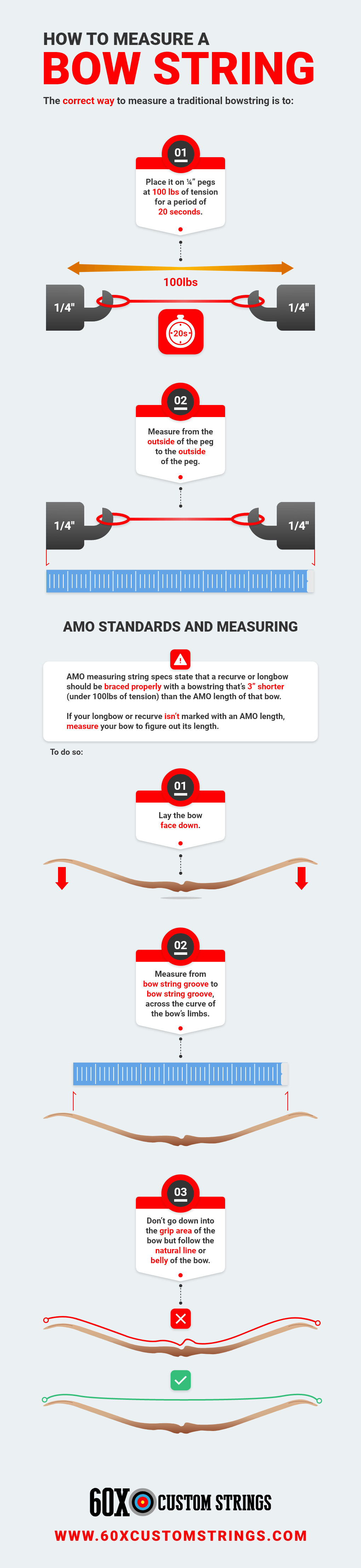
Image Source: cdn11.bigcommerce.com
Why Bow String Length Matters
The string on your compound bow is more than just a cord that connects the limbs. It’s a critical component that dictates how your bow performs. Having the right bowstring length measurement is paramount because it directly impacts several key aspects of your archery experience:
- Accuracy: The correct string length ensures that the cams on your bow rotate in sync. This synchronization is vital for consistent arrow flight and accuracy. An incorrect string length can cause timing issues, leading to erratic arrow behavior.
- Draw Length: Proper bowstring length helps you to achieve the optimal draw length for your body and shooting style. Draw length affects your anchor point, posture, and overall comfort, all of which are essential for consistent shooting.
- Bow Efficiency: The correct bow string sizing contributes to the bow’s overall efficiency. A string that is too long or too short can negatively impact the bow’s power stroke, reducing arrow speed and kinetic energy.
- Safety: An incorrectly sized string can place undue stress on the bow’s limbs and cams. This stress can potentially lead to premature wear, component failure, or even catastrophic bow failure, posing a safety risk to the archer.
- Bow Tuning: Bowstring length measurement is a key element in the overall tuning process. Correct string length is a prerequisite for properly setting the bow’s cam timing, draw weight, and other critical parameters.
Methods for Finding the Right Bow String Length
There are several methods available for determining the correct string length for your compound bow. Let’s examine some of the most common approaches:
Method 1: Checking the Bow’s Specifications
The most straightforward way to find the correct string length is to consult the bow’s manufacturer specifications. This information can usually be found in the bow’s owner’s manual, on the manufacturer’s website, or sometimes even printed directly on the bow itself.
- Locating the Information: Look for a label or sticker on the bow’s limbs, riser, or cams. The specifications typically include the ATA string length (Axle-to-Axle length) and the AMO string length (Archery Manufacturers Organization).
- Verifying the Data: Always double-check the manufacturer’s specifications with the bow’s model and year. Specifications can vary slightly between different models or even different production years of the same model.
- When to Use This Method: This method is best used when you have a relatively new bow or when you are replacing the string with a stock replacement.
Method 2: Measuring the Existing String
If you are replacing an old string, you can measure the existing string to determine its length. However, it is important to note that the old string may have stretched or shrunk over time, so this method should be used with caution.
- Tools Required:
- Measuring tape or a flexible ruler
- String measuring device (optional)
- The Process:
- Remove the old string from the bow.
- Lay the string on a flat surface and ensure it is not twisted or tangled.
- Using the measuring tape, measure the string’s length from end to end, including the loops or servings.
- Compare the measured length to the manufacturer’s specifications. If there is a significant discrepancy, it may indicate that the old string was not the correct length.
- Considerations:
- Stretching: Old strings can stretch, giving a falsely long measurement.
- Shrinkage: Some materials can shrink over time, particularly with changes in temperature and humidity.
- Serving: Ensure that the serving (the reinforced area where the string loops over the cams) is intact and has not unravelled.
Method 3: Using a Bow String Gauge
A bow string gauge is a specialized tool designed specifically for measuring bow strings. These gauges offer the most accurate way to measure string length.
- Types of String Gauges:
- Analog Gauges: These gauges use a mechanical dial to indicate the string length.
- Digital Gauges: These gauges use an electronic display to show the string length.
- How to Use a Bow String Gauge:
- Securely attach one end of the string to the gauge.
- Stretch the string along the gauge’s measuring surface, ensuring it is taut but not overstretched.
- Read the string length from the gauge’s display.
- Compare the measured length to the manufacturer’s specifications.
- Benefits of Using a Gauge:
- High Accuracy: Provides the most accurate measurement of string length.
- Consistency: Allows for consistent measurements, reducing the risk of errors.
- Ease of Use: Relatively simple to use, even for beginners.
Method 4: Calculating Bow String Length
In some cases, you may need to calculate bow string length if the manufacturer’s specifications are unavailable or if you are building a custom bow. This calculation involves using the bow’s ATA length and draw weight to estimate the appropriate string length.
- ATA Length: The Axle-to-Axle length is the distance between the two axles on the bow’s cams.
- Draw Weight: The draw weight is the force required to pull the bowstring back to its full draw length.
- Formula: While there isn’t a universally accepted formula due to variations in cam designs, a general guideline is:
- String Length ≈ (ATA Length / 2) + (Draw Length / 2) + Correction Factor
- The “Correction Factor” accounts for cam design and brace height. This factor typically ranges from -1 to +1 inch.
- Using a Bow String Length Chart:
- Many archery shops or online resources provide bow string length charts.
- These charts usually list recommended string lengths based on the bow’s ATA length and draw weight.
Table: Sample Bow String Length Chart
| ATA Length (Inches) | Draw Weight (lbs) | Recommended String Length (Inches) |
|---|---|---|
| 30 | 50 | 54 |
| 30 | 60 | 54.5 |
| 32 | 50 | 56 |
| 32 | 60 | 56.5 |
| 34 | 50 | 58 |
| 34 | 60 | 58.5 |
Note: This is a simplified chart; always consult the manufacturer’s recommendations for your specific bow model.
Ensuring Accurate Measurements
Regardless of the method you choose, it is essential to ensure accurate measurements. Here are some tips to help you achieve the best results:
- Use Quality Tools: Invest in high-quality measuring tools, such as a reliable measuring tape or a dedicated bow string gauge.
- Double-Check Your Measurements: Always measure the string length at least twice to ensure consistency.
- Consult with a Professional: If you are unsure about the correct string length for your bow, consult with a qualified archery technician. They can help you determine the appropriate string length and install it correctly.
- Take Precise Notes: Note the string lengths measured, and the method used. This helps in tracing errors and learning from experience.
Installation Considerations
Once you have determined the correct string length, the next step is to install the new string on your bow. Here are some important considerations to keep in mind during the installation process:
- Use a Bow Press: A bow press is essential for safely installing and removing bow strings. It allows you to relieve the tension on the limbs, making it easier to work on the string and cables.
- Follow the Manufacturer’s Instructions: Always follow the manufacturer’s instructions for string installation. These instructions will provide specific guidance on how to properly route the string and cables around the cams and axles.
- Check Cam Timing: After installing the new string, check the cam timing to ensure that the cams are rotating in sync. This can be done by visually inspecting the cam positions at full draw or by using a draw board.
- Adjust Draw Weight and Draw Length: If necessary, adjust the bow’s draw weight and draw length to match your preferences. This may involve adjusting the limb bolts or using a draw length module.
Troubleshooting Common Issues
Even with careful measurements and installation, you may encounter some common issues related to bow string length. Here are some troubleshooting tips:
- Cam Timing Problems: If the cams are not rotating in sync, it may indicate that the string length is incorrect. Adjust the string length or cable lengths to correct the timing.
- Draw Length Issues: If the draw length feels too long or too short, it may indicate that the string length or draw length module is incorrect. Adjust these components to achieve the optimal draw length.
- Peep Sight Alignment: An incorrectly sized string can also affect peep sight alignment. If your peep sight is not aligning correctly, try adjusting the string length or peep sight position.
- Creeping: “Creeping” occurs when the string slightly moves forward at full draw. This can result from incorrect string length, improper cam timing, or poor shooting form.
Frequently Asked Questions (FAQ)
- What is ATA string length? ATA (Axle-to-Axle) string length refers to the length of the bowstring specified by the bow manufacturer, measured according to Archery Trade Association (ATA) standards.
- Can I use a string that is slightly longer or shorter than the recommended length? While a small deviation (e.g., 1/4 inch) might not cause significant issues, it is generally best to use the recommended string length. Significant deviations can negatively impact performance and safety.
- Who is responsible for determining the correct string length for my bow? Ultimately, the responsibility falls on the archer or the archery technician. Manufacturers provide specifications, but it is crucial to verify and ensure the string is correct for your specific setup.
- What is the difference between actual string length and the AMO string length? The AMO string length is a standardized way to measure a bow string. It’s usually 3 inches shorter than the bow’s AMO length, which is the bow’s length with the string installed. Actual string length refers to the real, physical length when measured.
- How often should I replace my bow string? This depends on usage and string material. Generally, replace the string every 1-2 years, or sooner if you notice fraying, stretching, or other signs of wear.
- Is it okay to make my own bow string? Yes, you can make your own bow string, but it requires specialized tools, knowledge, and practice. It’s generally recommended to purchase a pre-made string unless you have the expertise.
Conclusion
Unleash your compound bow’s full potential by mastering the basics, where bowstring length reigns supreme. This comprehensive guide empowers you to precisely measure and install your string, while professional advice stands ready to ensure your bow sings with pinpoint accuracy, effortless efficiency, and unwavering safety. Think of string length not as a static measurement, but as the ongoing dance of fine-tuning that unlocks your ultimate shooting prowess.

Hi, I’m Robert Contreras, a passionate archery instructor based in the USA. With years of experience under my belt, I’ve dedicated my life to mastering the art of archery and sharing its intricacies with enthusiasts of all levels. Through my website, 10Bows.com, I invite you to explore a treasure trove of tips, techniques, and personal insights that reflect my journey in the world of archery. Whether you’re picking up a bow for the first time or refining your skills, I’m here to help guide you toward precision, focus, and a deeper appreciation for this timeless sport.