What size archery bow do I need? The right size archery bow depends on your archery draw length, which is the distance you pull the bowstring back. This article helps you find your perfect draw length and the appropriate bow size, covering everything from recurve bows to compound bows for beginners and youth archers.
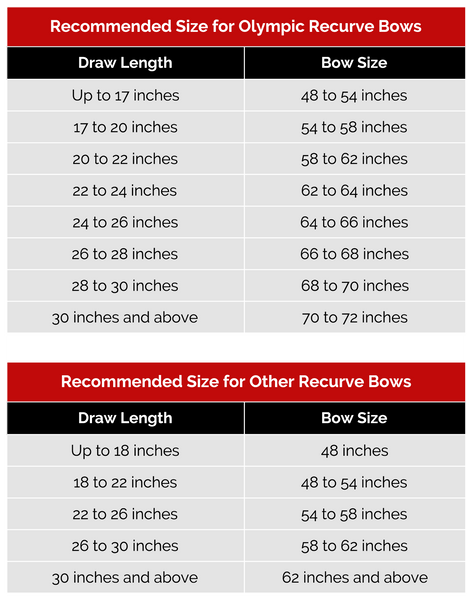
Image Source: cdn.shopify.com
Grasping Archery Draw Length: The Keystone to Bow Sizing
Archery draw length is not just a number; it’s the foundation upon which your archery success is built. It’s the distance, usually measured in inches, from the bow’s grip to the string when the bow is fully drawn. A proper draw length ensures comfort, accuracy, and maximizes the power of your shot. An incorrect draw length leads to discomfort, poor form, and decreased accuracy.
How to Ascertain Your Archery Draw Length
Several methods exist to find your draw length:
-
The Wingspan Method: This is a simple and commonly used estimation.
- Extend your arms straight out to your sides, parallel to the ground.
- Have someone measure the distance from the tip of one middle finger to the tip of the other in inches.
- Divide this measurement by 2.5. The result is a good starting point for your draw length.
Example: If your wingspan is 70 inches, 70 / 2.5 = 28 inches.
-
The Arm Length Method: Some archers use arm length as an estimator. Measure from the center of your chest to your wrist. This measurement is close to your approximate draw length.
-
Visiting an Archery Pro Shop: The most accurate way is to visit a pro shop. Experienced staff can measure your draw length using specialized bows and provide personalized recommendations. They can also observe your form and make adjustments.
Why Accuracy Matters: The Effects of an Incorrect Draw Length
- Too Long: Overdrawing strains your muscles, leading to fatigue and reduced accuracy. It can also cause the string to slap your forearm.
- Too Short: A short draw length reduces the bow’s power and affects your anchor point, leading to inconsistent shots. You won’t reach your full potential.
Delving into Archery Bow Length
Archery bow length, often referred to as axle-to-axle (ATA) length for compound bows, influences stability and forgiveness. Longer bows are generally more stable, while shorter bows are more maneuverable.
Appropriate Bow Size Considerations
- Compound Bows: Compound bow ATA lengths typically range from 28 to 40 inches. Shorter ATA bows are often preferred by hunters for their maneuverability in tree stands or blinds. Longer ATA bows are generally favored by target archers for their increased stability.
- Recurve Bows: Recurve bow lengths vary based on the archer’s draw length. A longer draw length requires a longer bow. Recurve bow lengths are usually between 62 and 72 inches.
Interpreting Compound Bow Sizing
| Draw Length (Inches) | Recommended ATA (Inches) |
|---|---|
| 24 – 26 | 28 – 32 |
| 26 – 28 | 30 – 34 |
| 28 – 30 | 32 – 36 |
| 30+ | 35+ |
Navigating the Recurve Bow Size Guide
The proper recurve bow size depends on your draw length. Here’s a general guide:
| Draw Length (Inches) | Recommended Bow Length (Inches) |
|---|---|
| Up to 24 | 62 |
| 24 – 26 | 64 |
| 26 – 28 | 66 |
| 28 – 30 | 68 |
| 30+ | 70 – 72 |
Choosing the Right Bow Weight for Age and Ability
Bow draw weight refers to the force needed to pull the bowstring to its full draw length. Selecting the appropriate bow weight is crucial for safety and accuracy. It’s measured in pounds (lbs).
Beginner Bow Weight Considerations
- Adult Beginners: Start with a lower draw weight (e.g., 20-30 lbs for women, 25-35 lbs for men). Focus on form before increasing the weight.
- Youth Archers: Children need lighter bows to avoid strain and develop proper technique. The table below provides a general guide.
Youth Archery Bow Size Considerations
| Age | Draw Weight (lbs) | Draw Length (Inches) | Bow Type |
|---|---|---|---|
| 5-7 | 10-15 | 15-20 | Recurve |
| 8-11 | 15-25 | 20-24 | Recurve/Compound |
| 12-14 | 25-35 | 24-26 | Compound |
| 15+ (New) | 30-40 | 26+ | Compound |
Note: These are general guidelines. Individual strength and physical development vary.
Bow Weight for Age: A Detailed Breakdown
- Young Children (5-7 years): Bows with draw weights between 10 and 15 pounds are generally suitable. These lightweight bows allow them to learn the basics without struggling too much.
- Older Children (8-11 years): As children grow stronger, you can increase the draw weight to 15-25 pounds. This allows them to shoot farther and with greater accuracy.
- Teenagers (12-15 years): Teenagers can typically handle draw weights between 25 and 35 pounds. At this stage, they can transition to more advanced bows.
- Adults: The appropriate draw weight for adults varies widely based on their strength and experience. Beginners should start with lower weights and gradually increase as they gain strength and skill.
Can I Increase Bow Weight?
Yes, you can increase bow weight. As your strength and technique improve, you can gradually increase the draw weight of your bow. However, it’s important to do this slowly and carefully to avoid injury.
Figuring out Arrow Length for Bow
Arrow length is another critical factor. Arrows that are too short are dangerous, while arrows that are too long can affect accuracy.
Matching Arrow Length to Draw Length
Generally, your arrow length should be at least as long as your draw length. Many archers prefer arrows that are slightly longer (1-2 inches) for safety.
- How to Determine Arrow Length: Most arrow manufacturers provide charts that recommend arrow length based on draw length and bow weight. Consult these charts for specific recommendations.
- Safety First: Never use arrows that are shorter than your draw length. This poses a serious risk of injury.
What is Arrow Spine?
Arrow spine refers to the arrow’s stiffness. Choosing the correct spine is essential for accurate shooting. Arrow spine must match your bow’s draw weight. If the spine is too weak, the arrow will bend too much when shot. If the spine is too stiff, the arrow will not bend enough.
Beginner Bow Size Chart: A Quick Reference
| Archer Type | Draw Length (Inches) | Draw Weight (lbs) | Bow Type | Bow Length (Inches) | Arrow Length (Inches) |
|---|---|---|---|---|---|
| Youth (5-7) | 15-20 | 10-15 | Recurve | 62 | 22-24 |
| Youth (8-11) | 20-24 | 15-25 | Recurve/Compound | 62-64 | 24-26 |
| Youth (12-14) | 24-26 | 25-35 | Compound | 28-32 | 26-28 |
| Adult (Beginner) | 26-30 | 25-35 (Women), 30-40 (Men) | Compound | 30-34 | 28-32 |
| Adult (Experienced) | Varies | Varies | Compound/Recurve | Varies | Varies |
Note: This chart provides general recommendations. Individual preferences and physical attributes may vary.
Final Thoughts: Finding the Right Fit
Choosing the right size archery bow involves considering your draw length, bow length, draw weight, and arrow length. Take the time to measure accurately, consult with professionals, and try different bows to find the perfect fit for your body and shooting style. A properly fitted bow enhances your comfort, accuracy, and overall enjoyment of archery.
Frequently Asked Questions (FAQ)
-
How often should I check my draw length? It’s a good idea to check your draw length periodically, especially if you’re still growing or if you’ve made significant changes to your shooting form.
-
Can I adjust the draw length on a compound bow? Yes, many compound bows have adjustable draw lengths. Consult your bow’s manual or visit a pro shop for assistance.
-
What happens if my draw length is between sizes? If you’re between sizes, it’s generally better to choose the slightly longer draw length. You can always adjust your form to compensate.
-
The archer shoulders the definitive duty of verifying their archery gear. While wisdom can be gleaned from seasoned archers or experts, the final call on whether equipment is perfectly tailored and safe for use rests squarely on the archer’s shoulders.

Hi, I’m Robert Contreras, a passionate archery instructor based in the USA. With years of experience under my belt, I’ve dedicated my life to mastering the art of archery and sharing its intricacies with enthusiasts of all levels. Through my website, 10Bows.com, I invite you to explore a treasure trove of tips, techniques, and personal insights that reflect my journey in the world of archery. Whether you’re picking up a bow for the first time or refining your skills, I’m here to help guide you toward precision, focus, and a deeper appreciation for this timeless sport.