Why is concentration so important in archery? Concentration is incredibly important in archery because it directly impacts your ability to execute the precise movements required for accurate shots. It allows you to filter out distractions, maintain proper form, and focus on the target, ultimately leading to improved accuracy and consistency.
Archery isn’t just about physical strength; it’s a mental game. Many archers find that their physical abilities are sufficient, but their mental game holds them back. Achieving archery mastery requires cultivating a sharp focus. This article explores why concentration is vital and how you can improve your mental game in archery.
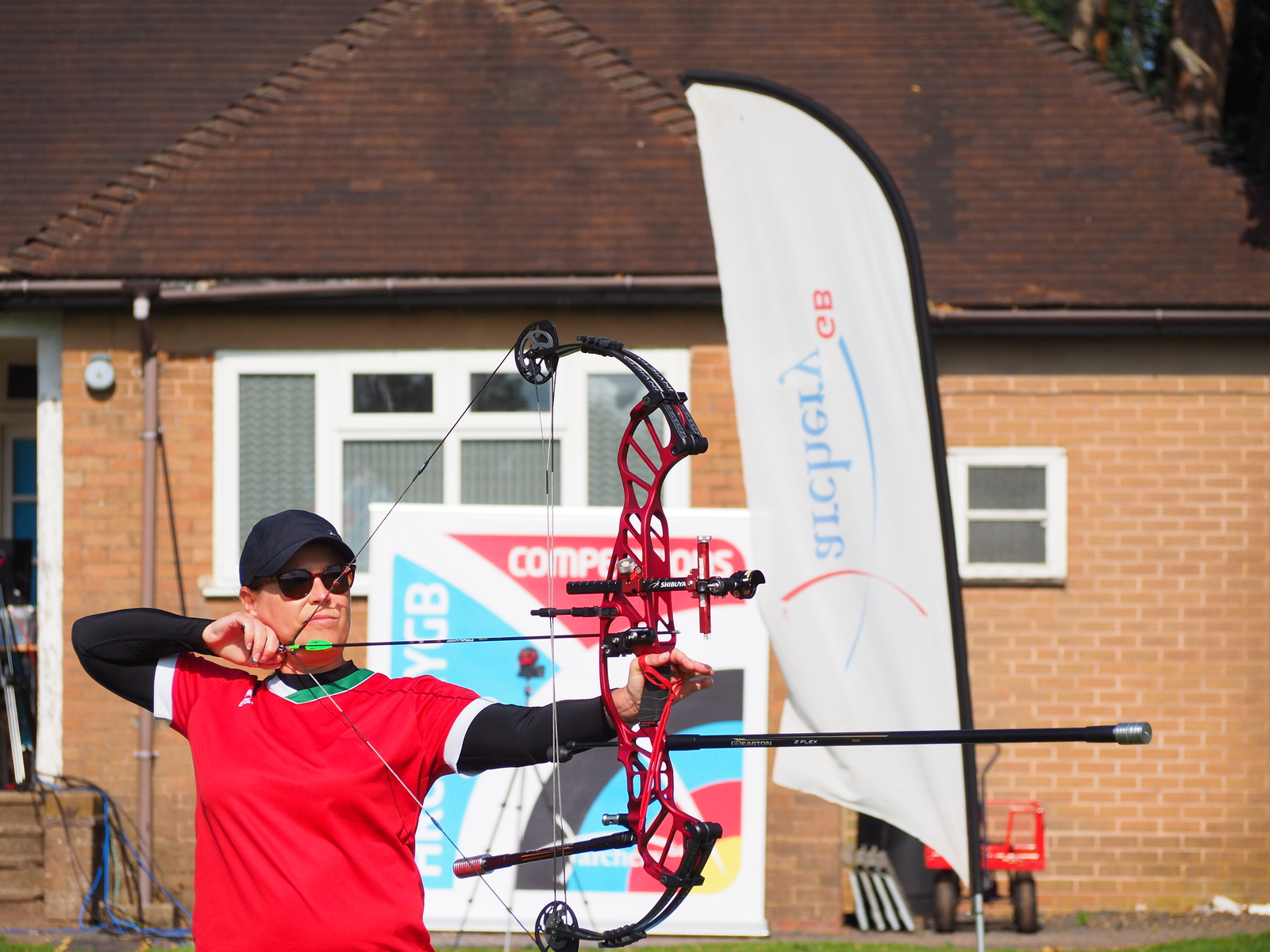
Image Source: archerygb.org
The Vital Role of Focus in Archery
Archery demands a high degree of precision. Even minor errors in technique can significantly affect the arrow’s trajectory. Concentration acts as the linchpin, holding everything together.
Archery Focus Benefits: More Than Just Hitting the Bullseye
- Improved Accuracy: Focus allows you to execute your shot sequence consistently, leading to tighter groupings.
- Increased Consistency: When you concentrate, you’re less likely to deviate from your established form, shot after shot.
- Better Decision-Making: A clear mind helps you make better choices regarding aiming and windage adjustments.
- Reduced Anxiety: Concentration helps quiet the mind, reducing anxiety and nervousness that can negatively affect performance.
- Enhanced Enjoyment: When you’re focused and performing well, archery becomes more enjoyable.
The Interplay Between Physical and Mental Skills
Archery relies on a delicate balance between physical prowess and mental fortitude. While physical training builds the necessary strength and technique, concentration enables you to apply those skills effectively under pressure.
- Physical Preparation: Strength training, flexibility exercises, and proper technique form the foundation of your archery skills.
- Mental Discipline: Concentration, visualization, and positive self-talk are key elements of mental discipline.
- Coordination: Focus enhances the mind-body connection, allowing for seamless coordination between your physical actions and mental commands.
Deciphering the Mental Game in Archery
The mental game in archery encompasses all the psychological aspects that influence your performance. It includes your thoughts, emotions, and beliefs. Mastering this aspect is just as crucial as mastering the physical techniques.
Archery Performance Psychology: What is it?
Archery performance psychology is the application of psychological principles to improve archery performance. It involves techniques like goal-setting, visualization, stress management, and concentration training.
Common Mental Obstacles in Archery
- Target Panic: An anxiety-driven condition that causes premature or uncontrolled release of the arrow.
- Performance Anxiety: Nervousness and apprehension that can impair performance in competitions or during practice.
- Negative Self-Talk: Critical or self-deprecating thoughts that undermine confidence and focus.
- Distractions: External stimuli (noise, movement) or internal thoughts (worries, doubts) that disrupt concentration.
- Burnout: Mental and physical exhaustion resulting from overtraining or excessive pressure.
How Mental Toughness Influences Archery
Archery mental toughness refers to the ability to remain focused, confident, and resilient in the face of challenges. Mentally tough archers can bounce back from setbacks, maintain composure under pressure, and perform at their best when it matters most.
Concentration Techniques for Archery
Various techniques can help you improve your concentration skills and strengthen your mental game.
Pre-Shot Routine: Your Mental Anchor
A pre-shot routine is a sequence of actions and thoughts that you perform before each shot. It helps you to focus your mind, prepare your body, and create a consistent mental state.
- Step 1: Stance and Posture: Establish a stable and balanced stance.
- Step 2: Grip: Ensure a consistent and relaxed grip on the bow.
- Step 3: Draw: Smoothly and deliberately draw the bowstring.
- Step 4: Anchor: Find your anchor point and check your alignment.
- Step 5: Aim: Focus intently on the target.
- Step 6: Release: Execute a clean and controlled release.
- Step 7: Follow-Through: Maintain your form until the arrow hits the target.
Mindfulness Meditation: Training Your Attention
Mindfulness meditation involves focusing your attention on the present moment without judgment. It can help you to quiet your mind, reduce distractions, and improve your concentration.
- Technique: Find a quiet place, sit comfortably, and focus on your breath. When your mind wanders, gently redirect your attention back to your breath.
- Benefits: Increased awareness, reduced stress, improved focus, and enhanced emotional regulation.
Visualization: Seeing Success
Visualization involves creating a mental image of yourself performing the shot perfectly. It can help you to build confidence, improve your technique, and program your mind for success.
- Technique: Close your eyes and imagine yourself going through the shot sequence step-by-step. Visualize yourself hitting the bullseye with ease and confidence.
- Benefits: Improved confidence, enhanced focus, reduced anxiety, and better motor performance.
Breathing Exercises: Calming Your Nerves
Deep, controlled breathing can help you to calm your nerves, reduce anxiety, and improve your concentration.
- Technique: Inhale deeply through your nose, hold your breath for a few seconds, and then exhale slowly through your mouth.
- Benefits: Reduced stress, lowered heart rate, improved focus, and enhanced emotional control.
Positive Self-Talk: Your Inner Coach
Replace negative thoughts with positive affirmations. Encourage yourself, believe in your abilities, and focus on your strengths.
- Technique: Identify negative thoughts and replace them with positive and realistic statements. For example, instead of thinking “I’m going to miss,” think “I’m capable of hitting the target.”
- Benefits: Increased confidence, improved motivation, reduced anxiety, and better performance.
Archery Concentration Drills: Sharpening Your Focus
Specific drills can help you develop your concentration skills and improve your archery accuracy.
The Blank Bale Drill: Eliminating Target Panic
This drill involves shooting at a blank bale (a target without a bullseye) to remove the pressure of aiming and focusing on the target.
- Purpose: To break the association between aiming and anxiety, helping to overcome target panic.
- How to: Stand close to the blank bale and focus on executing your shot sequence perfectly, without paying attention to where the arrow lands.
The Peripheral Vision Drill: Expanding Your Awareness
This drill involves focusing on a single point on the target while maintaining awareness of your peripheral vision.
- Purpose: To improve your ability to stay focused while also being aware of your surroundings, reducing distractions.
- How to: Focus on the center of the bullseye and try to notice details in your peripheral vision, such as the color of the target face or the movement of your fingers on the bowstring.
The Counting Drill: Maintaining Mental Discipline
This drill involves counting your breaths or counting down from 100 while aiming at the target.
- Purpose: To improve your ability to maintain focus and mental discipline under pressure.
- How to: As you aim, silently count your breaths or count down from 100. If your mind wanders, gently redirect your attention back to the counting.
The Rhythm Drill: Establishing a Consistent Pace
This drill involves establishing a consistent rhythm for your shot sequence.
- Purpose: To create a predictable and repeatable process that helps you to stay focused and avoid rushing your shots.
- How to: Use a metronome or create a mental rhythm to guide your shot sequence. Ensure that each step of the sequence flows smoothly and consistently.
Improving Archery Accuracy: The Mind-Body Connection
Achieving peak accuracy in archery requires a strong mind-body connection. Your mental state directly influences your physical performance.
Archery Mind Training: Integrating Mental Skills
Archery mind training involves integrating mental skills into your archery practice routine. This includes practicing concentration techniques, visualization, and positive self-talk regularly.
Staying Focused Archery: Tips and Strategies
- Set Realistic Goals: Establish achievable goals to maintain motivation and focus.
- Manage Expectations: Avoid putting too much pressure on yourself. Focus on the process rather than the outcome.
- Learn from Mistakes: View mistakes as opportunities for growth and learning.
- Seek Feedback: Get feedback from coaches or experienced archers to identify areas for improvement.
- Stay Hydrated and Nourished: Proper hydration and nutrition are essential for maintaining mental clarity and focus.
The Importance of Rest and Recovery
Adequate rest and recovery are crucial for both physical and mental performance. Overtraining can lead to burnout, reduced focus, and impaired accuracy.
- Schedule Rest Days: Allow your body and mind to recover between training sessions.
- Get Enough Sleep: Aim for 7-8 hours of sleep per night to optimize cognitive function and reduce stress.
- Practice Relaxation Techniques: Use relaxation techniques such as meditation or yoga to reduce stress and improve mental clarity.
Frequently Asked Questions (FAQ)
Can I really improve my concentration?
Yes, concentration is a skill that can be developed through practice and training. By using the techniques and drills described in this article, you can significantly improve your ability to focus.
What is the best time to practice concentration?
The best time to practice concentration is when you are alert and free from distractions. Experiment with different times of day to find what works best for you.
How long does it take to see results?
The time it takes to see results varies depending on individual factors such as your current level of focus, the amount of time you dedicate to practice, and your consistency. However, with regular practice, you should start to notice improvements within a few weeks.
What should I do if I get distracted during a competition?
If you get distracted during a competition, take a deep breath, refocus on your pre-shot routine, and remind yourself of your goals. Don’t dwell on the distraction; instead, gently redirect your attention back to the present moment.
Who is qualified to teach archery mental skills?
To hone your archery’s mental game, seek out experts like certified coaches with a sports psychology bent, psychologists dedicated to athletic performance, or seasoned archers who have mastered the mental battlefield. Your ideal mentor will possess a demonstrable history of elevating archers’ mental resilience and focus.

Hi, I’m Robert Contreras, a passionate archery instructor based in the USA. With years of experience under my belt, I’ve dedicated my life to mastering the art of archery and sharing its intricacies with enthusiasts of all levels. Through my website, 10Bows.com, I invite you to explore a treasure trove of tips, techniques, and personal insights that reflect my journey in the world of archery. Whether you’re picking up a bow for the first time or refining your skills, I’m here to help guide you toward precision, focus, and a deeper appreciation for this timeless sport.